
Anti Inflammatory Juice Recipes
The popularity of anti inflammatory juice recipes is due to a simple reason: they are an easy reset in cases when you need a lot more plants, hydration, and less ultra-processed food. The finest ones are not sweetened fruit juices masquerading. They are plant-based juices and juices that are based on the ingredients containing plant compounds such as polyphenols, anthocyanins, curcumin, and gingerol-like and cleverly handling to keep them safe and, in fact, enjoyable.
Quick answer
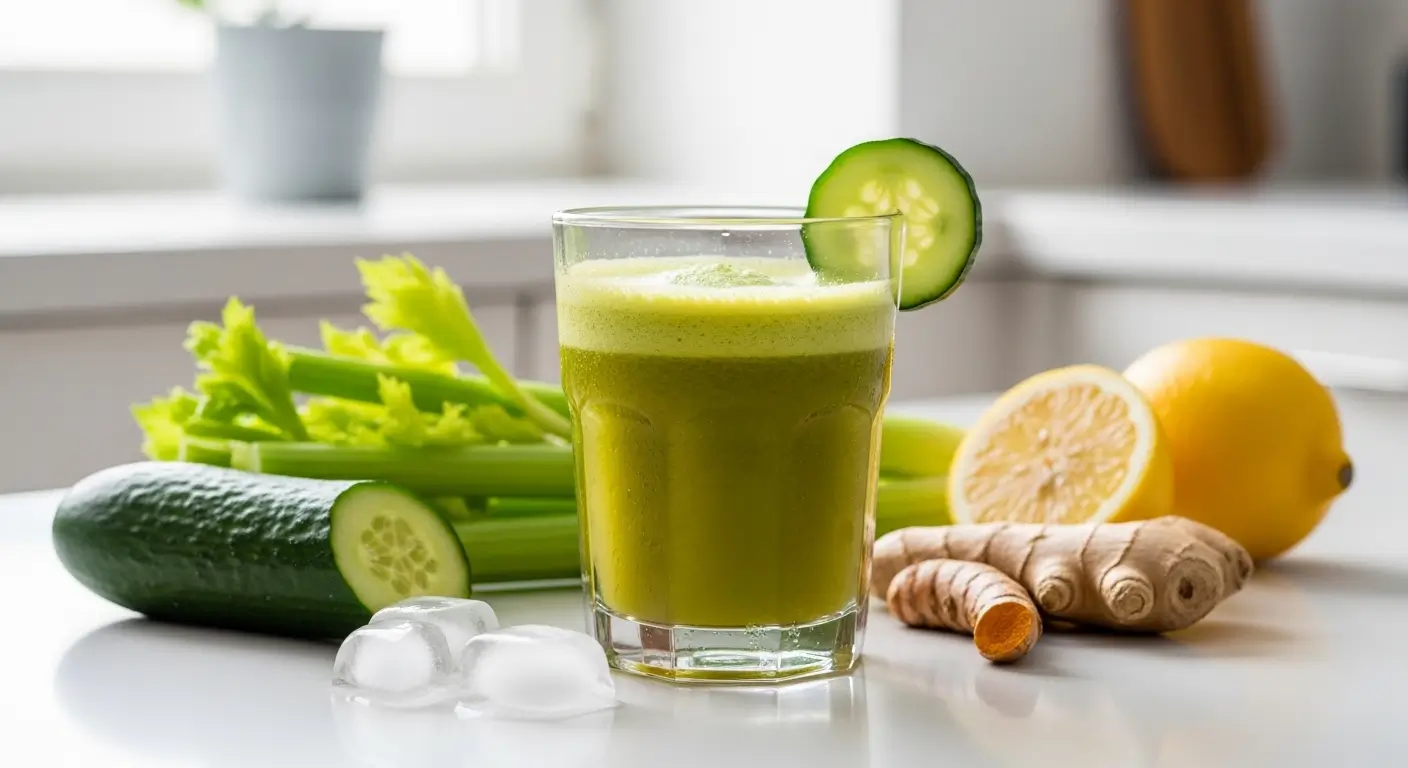
An anti-inflammatory juice is a vegetable-based beverage that is based on colorful foods (greens, berries, citrus, beets) and spices such as ginger or turmeric. It can be in favor of an anti-inflammatory diet, though not a cure. Eat small portions of fruit, be safe and change of ingredients.
What “anti-inflammatory” means in a juice
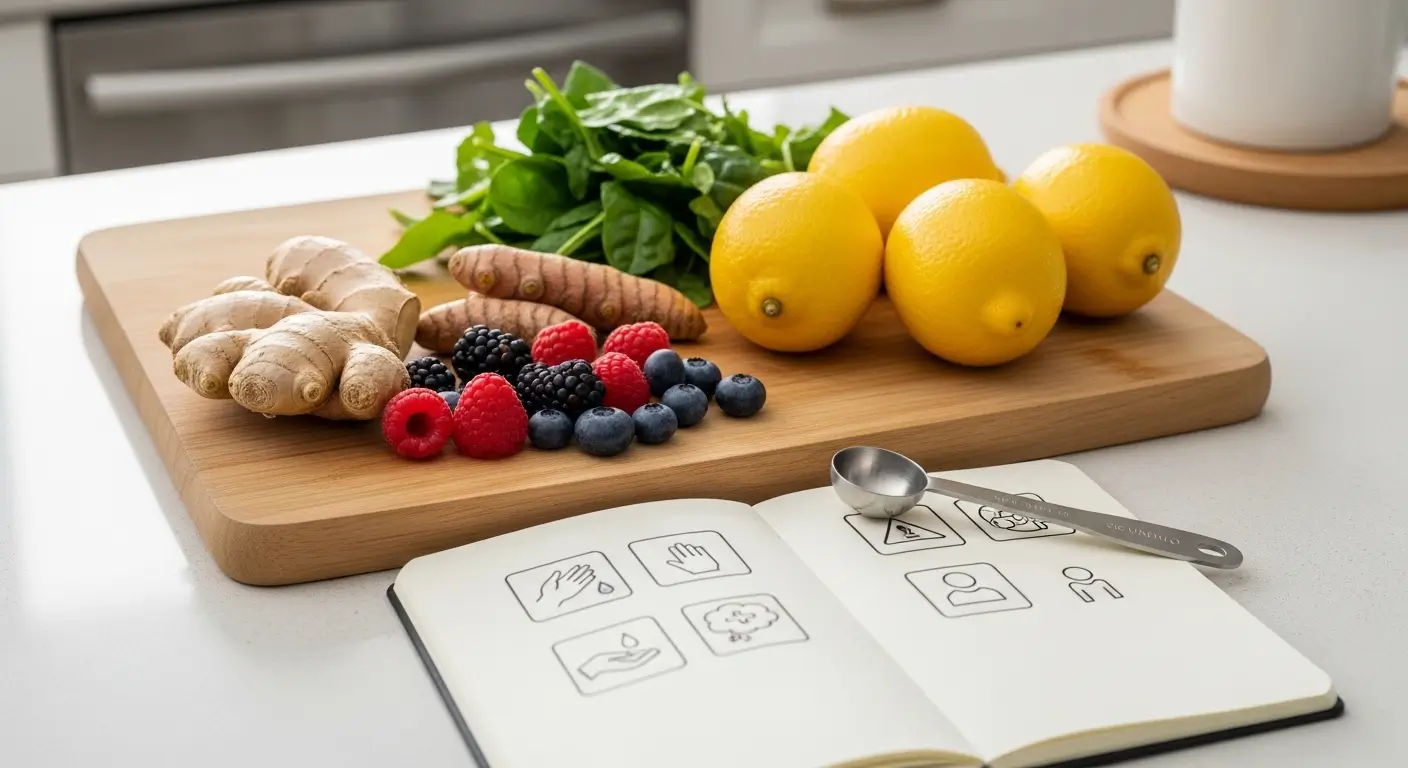
Inflammation is a physiological immune process. The issue that most individuals are concerned about is low-grade, chronic inflammation, which is commonly referred to in conjunction with oxidative stress, recovery and joint comfort. A juice will never diagnose or cure or erase inflammation, but it can make you do something that always matters eat more nutrient-dense plants.Practically, the typical characteristics of anti-inflammatory juices are three:
- Color + variation (purples oranges, reds, greens, or others)
- Add-ins (ginger, turmeric, citrus, herbs) are functional
- Balance between low sugar (mostly vegetables, only a sufficient amount of fruit)
Also Read: Boom Boom Sauce Recipe: Creamy, Spicy, Sweet Dip 2026
Who these juices are for (and when to be careful)
These recipes work well for:
- Mornings when you are in a hurry and need a light and fast meal
- Protein and real meal, as well as, post-workout recovery routines
- Problem with achieving daily intake of produce
- Any person who switches to anti-inflammatory diet pattern
Use extra caution if you:
- Pregnant, old, immunocompromised, or preparing juices (not unpasteurized by-the-glass juice unless you are absolutely certain it has been done safely) on behalf of a young child
- Have diabetes/insulin resistance (select juices/smoothies that contain veggies that are heavy)
- Use blood thinners or are prone to bleeding (do not overdo daily shots of turmeric/ginger)
- Prone to kidney stones (turn high-oxalate green; moderate beets and spinach)
In case you are on a condition or drug regimen, consider it an issue to bring up with your clinician when you are told to take a shot daily.
Juice vs smoothie (fiber, blood sugar, and satisfaction)
This is the largest choice of 2026 search behavior: individuals desire the benefits without the sugar spike.
- Juice is simpler to consume but it is less likely to contain much fiber. It can be in the form of quicker absorption and reduced fullness.
- Smoothies preserve the fiber (when it is not strained) hence tend to be more beneficial in blood sugar regulation and satiety.
- An ingenious compromise is a blend juice: combine produce with water and strain (or no strain at all).
Also Read: Best Bacon Savoury Tart Recipes for Brunch and Lunch 2026
Quick decision table
| Choice | Best for | Watch out |
|---|---|---|
| Juice | fast + light | low fiber |
| Smoothie | plumper and more stable | thicker |
| Mixed juice | soft texture | requires blender |
Tools & methods (juicer vs blender)
Either can be used to make great anti-inflammatory drinks.
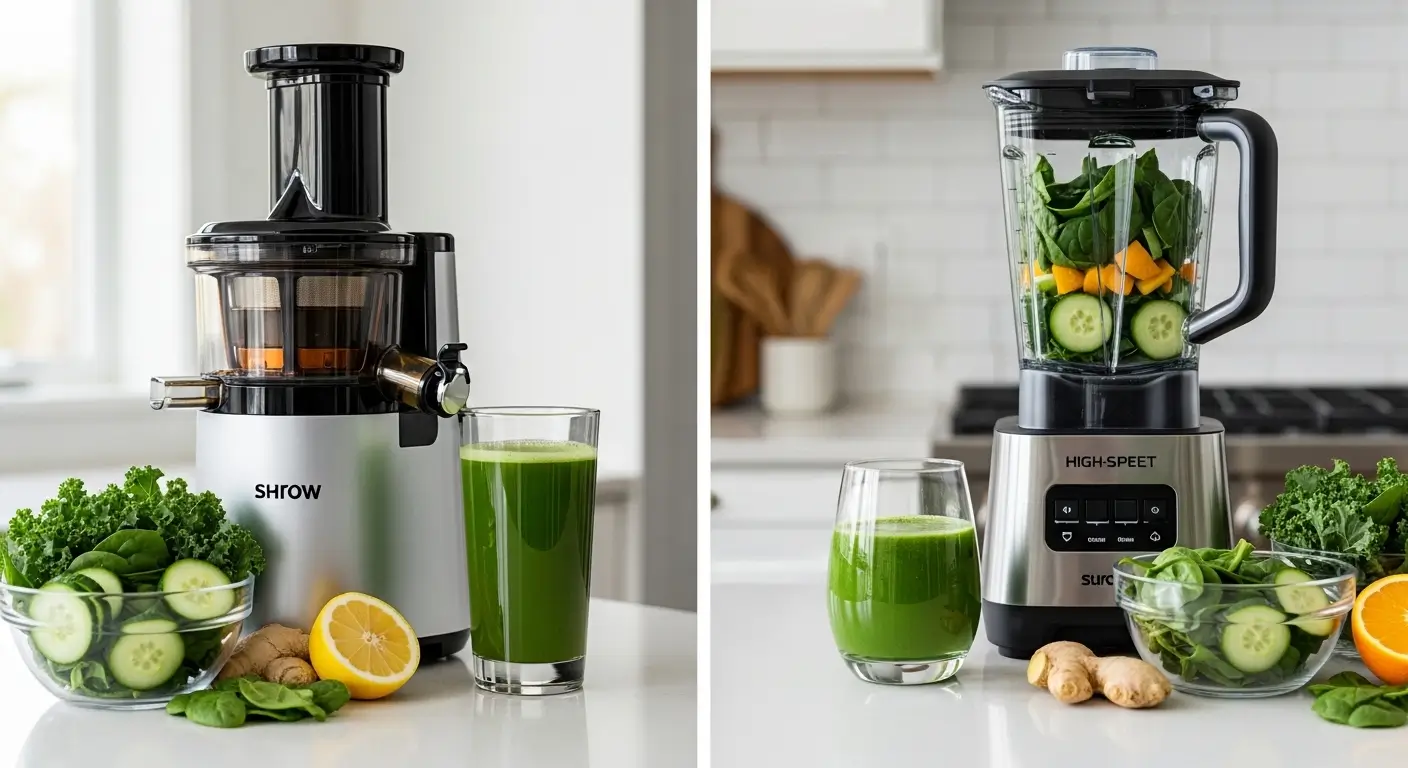
- Masticating (slow) juicer: more suitable with leafy greens, less foam, slower to clean
- Centrifugal juicer: quick and easy, more foam, a little less yield
- Blender: least effort, retains fiber, optimal daily habit tool
- Mesh strainer: it helps to regulate the texture of those who do not like pulp
How to make juice without a juicer
- Chop ingredients small.
- Blend with ½–1 cup cold water.
- Filter using a mesh strainer or nut-milk bag (not necessary).
- Consume as soon as possible or ice.
The build-your-own framework (low sugar, high flavor)
And the only thing you have to learn is that ratio is more important than any magic ingredient.
The simple ratio
| Component | Easy rule |
|---|---|
| Vegetables | 70–85% |
| Fruit | 15–30% |
Flavor balancing tricks (so you don’t rely on fruit)
- Sour: lemon/lime
- Spice: ginger/turmeric (in small quantities)
- Fresh: mint, parsley
- Smooth: cucumber, celery
- Sweet (controlled): pineapple, orange (small), apple
Also Read: Southern Snap Beans Recipe: Slow-Simmered and Flavorful
12 anti inflammatory juice recipes (easy, repeatable)
Every recipe has a tag of the form of comparison with the intent of the user (daily, low sugar, beginner, no juicer, shots).
1) Green Ginger Daily Juice (low sugar)
Ingredients: cucumber, lemon, spinach or kale, celery, ginger
How: add juice or blend + strain lightly
Best for: everyday, low sugar routine
Tip: Substitute kale with romaine and spinach in case it is too bitter.
2) Parsley-Lemon Green (bright + herbal)
Ingredients: cucumber, lemon, ginger, parsley
How: juice; add ice
Best for: “fresh” taste lovers
Tip: Parsley is powerful—begin small.
3) Golden Citrus Carrot (turmeric forward)
Ingredients: carrot, orange (1/2–1), lemon, turmeric, pinch black pepper
How: juice; add turmeric (powdered)
Best for: first-time drinkers who need a golden taste
Warning: When you use blood thinners, do not make it a daily dose of a dose.
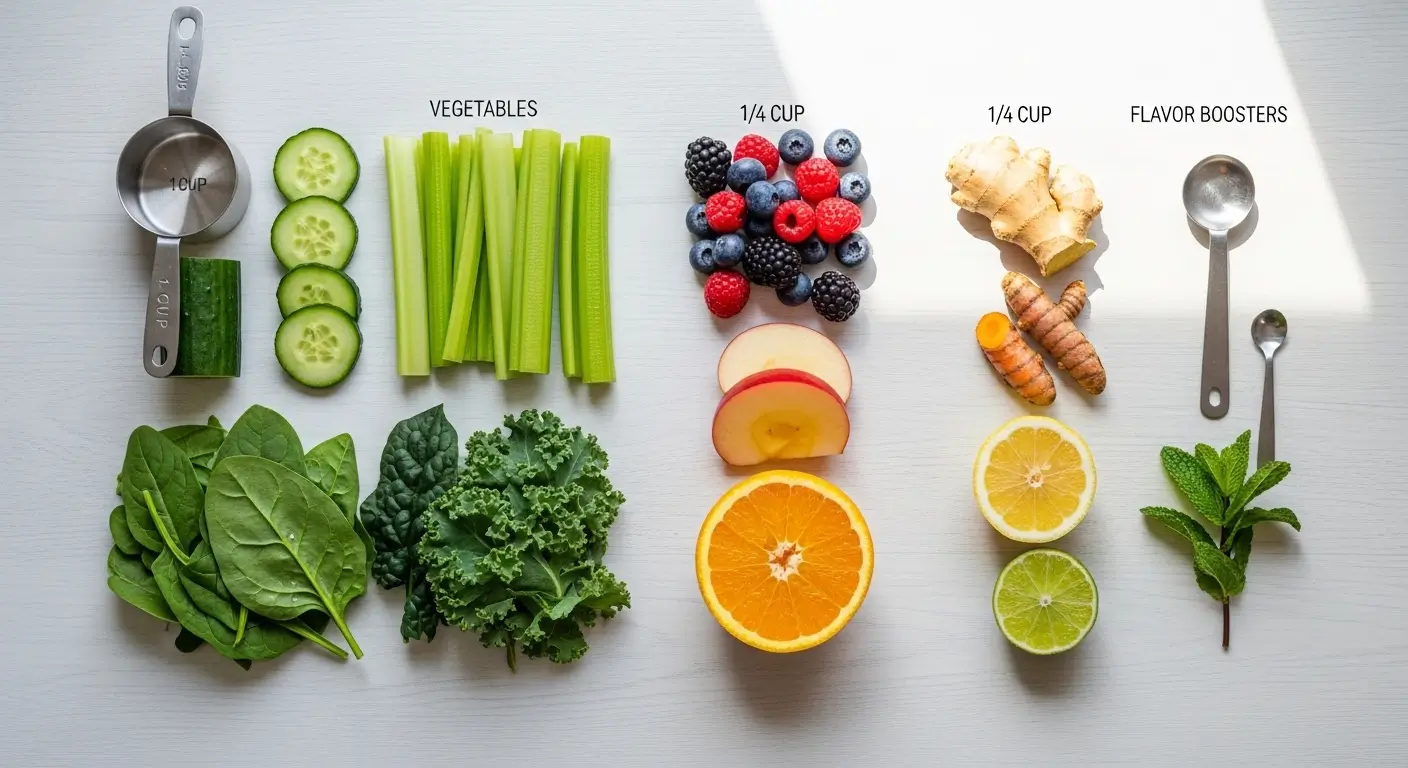
4) Turmeric Ginger Shot (classic wellness shot)
Ingredients: ginger, turmeric, lemon, little bit of honey (optional), water
How: mix up → stress up and put in the little bottle
Best for: shots vs full glass
Storage: cold; in small batches
Note: More is not better, you need to begin with a small shot.
5) Tart Cherry Recovery Spritz (no juicer needed)
Ingredients: tart cherry juice, which is unsweetened, lemon, ginger, water or soda water
How: mix and chill
Best for: after-workout relaxation mood
Tip: Add less cherry and top with water in order to restrain sugar.
6) Beet Berry Flow (rotate, don’t overdo)
Ingredients: beetroot, berries, lemon, small apple (1 half)
How: juice; dilute if earthy
Best for: color + variety, day of workouts
Caution: Be careful, when you are prone to stones, have beet every now and then and turn greens.
Also Read: Chicken Long Rice Recipe: Easy Hawaiian Noodle Soup 2026
7) Pomegranate Lime Cooler (polyphenol-forward)
Ingredients: pomegranate juice 100 percent, lime, cold water, mint
How: mix; serve over ice
Best for: equipment-free fast anti-inflammatory drink
Tip: Shopping: Find 100 per cent juice that does not contain sugar.
8) Pineapple Cucumber Mint (crowd-pleaser)
Ingredients: pineapple (little bit), cucumber, mint, lime, ginger
How: juice or blend
Best for: taste-first drinkers
Low-sugar tweak: cut pineapple in half; add celery.
9) Tomato Basil “Savory Juice” (not sweet)
Ingredients: tomato, cucumber, celery, basil, black pepper
How: blend (don’t strain)
Best for: individuals who do not take sweet beverages
Tip: Squeezer lemon to perk up.
10) Carrot Apple Spice (beginner-friendly)
Ingredients: carrot, green apple and ginger, cinnamon
How: juice
Best for: first-time juicers
Watch: Apple can be overdoed, it must be no more than 1/2 small apple.
11) Cucumber Matcha Cooler (anti-inflammatory drink crossover)
Ingredients: cucumber juice or blended cucumber water, lemon, matcha (small), mint
How: mix/whisk matcha individually, and mix
Best for: afternoon energy that is not so sweet
Tip: Matcha is light so as not to be hypersensitive to caffeine.
Also Read: Frozen Green Bean Recipes: Easy, Fast Side Dishes 2026
12) Kefir Berry Smoothie (fiber + gut-friendly option)
Ingredients: kefir or yogurt, berries, spinach, chia/flax, lemon zest
How: blend thick; no straining
Best for: glycemic control, satiating effect of meals
Swap: dairy-free plant yogurt.
Storage, oxidation, and batch-prep rules (often missing in competitor posts)
Fresh juice is best consumed immediately, however, in real life there is a strategy required.
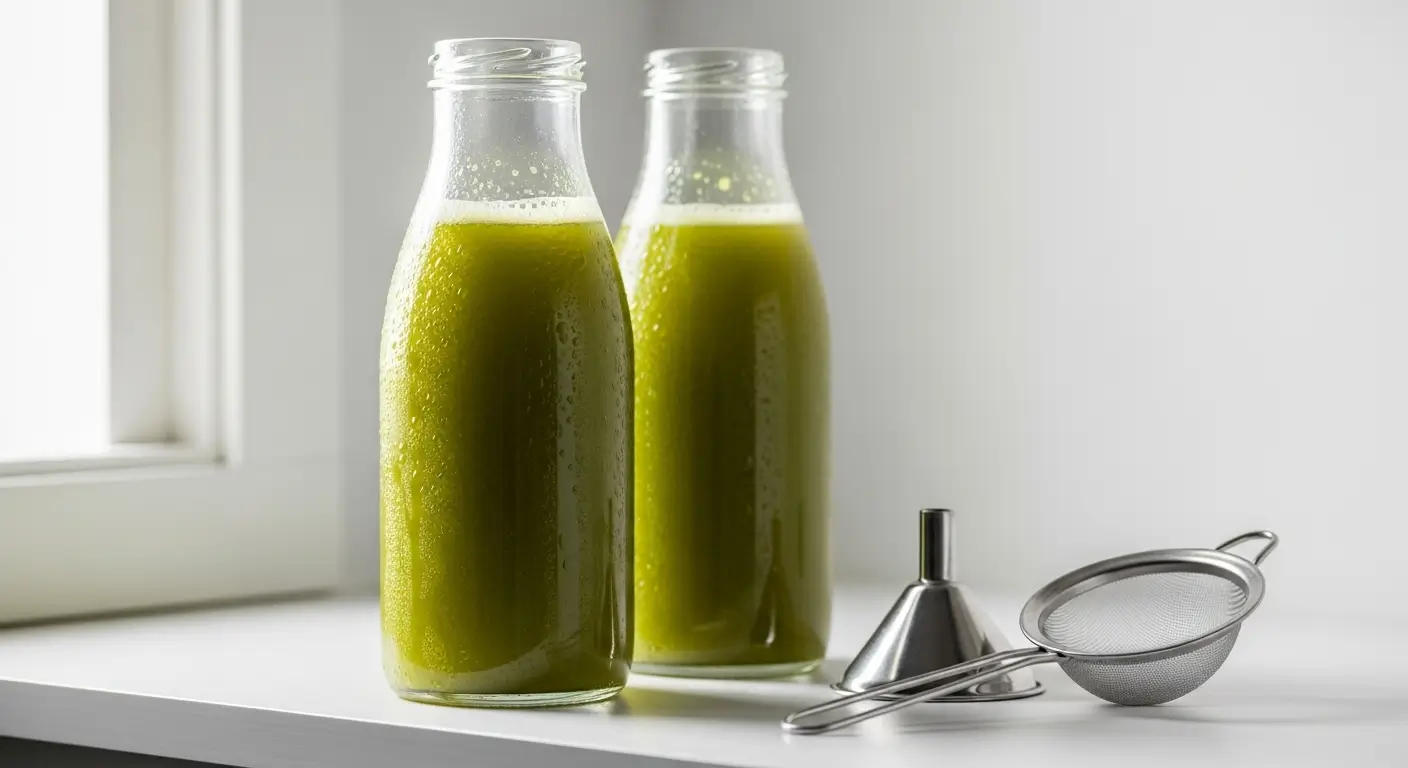
- Chill fast: right after preparation refrigerate
- Use airtight glass: minimized odor transfer and oxidation
- Fill to the top: it helps to fill the air with less air
- Shake before drinking: it is possible to separate
- Small batches win: 1–2 days is a realistic goal of quality and safety in small batches
When it smells bad or even fizzy, it should have (when it is not supposed to be) or it looks abnormally foamsome after resting, dispose of it.
Safety: cold-pressed, pasteurized, and HPP (buying-smart section)
This is where most of the recipes articles remain indistinct. Here’s the clean version.
- Cold-pressed refers to the extraction method of juice (usually hydraulic). This does not necessarily imply saferness.
- Pasteurized juice is heat-treated to decrease the number of pathogens.
- HPP (high pressure processing) uses very high pressure (usually approximately 6,000 bar) to destroy microbes in the minimum amount of heat, often in cold-pressed juices that are bottled.
Buying options table
| Option | Good for | Ask/check |
|---|---|---|
| New bar juice | flavor + convenience | pasteurized/HPP? |
| Bottled HPP | prolonged shelf life | sugar + ingredients |
| Pasteurized | increased risk groups | label clarity |
Who is not to be afraid of unpasteurized juice?
Unless the process of safety has been verified, pregnant individuals, immunocompromised individuals, elderly individuals, and young children should be wary of unpasteurized by-the-glass juices.
Also Read: Gluten Free Naan Recipe: Soft, Chewy, Easy 2026
“Near me” checklist (fast)
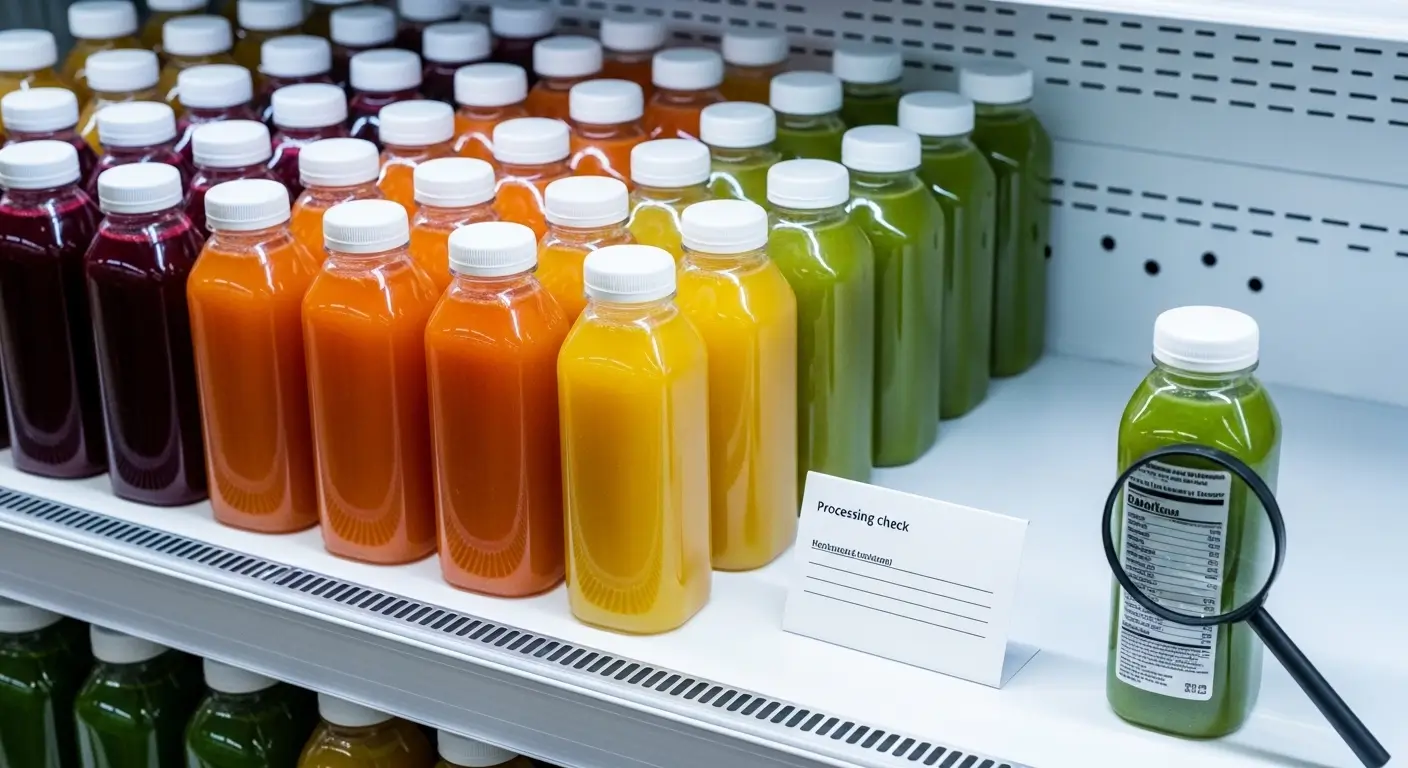
When I am looking for cold-pressed juice close to me or wellness shots close to me, ask:
- Is it pasteurized or HPP?
- How long has it been bottled?
- Is it kept cold throughout (cold chain)?
- Added: sugar, concentrates, natural flavours, supplements?
Pricing anchors (so readers can decide if it’s worth it)
Prices are highly dependent on city, but these are typical real world anchors of buyers:
- Wellness shots: often $3–$6 each
- Cold-pressed juices: these are usually costly, ranging between 6–12 dollars per bottle
- Delivery bundles/cleanses: these are usually based on the number of bottles and days
Value tip: When price is your obstacle make a home base (green ginger) daily and purchase specialty shots on special occasions.
B2B mini playbook (juice bars, cafés, wellness brands)
When you are serving customers then your competitive advantage is in the form of clarity: safe processing language, less sugar choices and easy menu logic.
Menu structure that sells (and feels trustworthy)
- Daily Greens (low sugar): cucumber/celery/lemon/ginger
- Golden (turmeric): carrot/citrus/turmeric
- Berry/Cherry: recovery positioning of controlled sweetness
- Beet: rotation directed flow positioning
Labeling language that reduces returns and complaints
- “No added sugar” (only if true)
- Fruity-focused and vegetable-focused
- There is a mild flavor of ginger/turmeric, and it has the following warning: When you are on blood thinners or pregnant, consult your clinician.
Also Read: Ritz Cracker Chicken Casserole Recipe: Creamy and Crispy 2026
Safety and trust signals customers notice
- Clear “Made on” date/time
- Cold storage visibility
- Disclosure of HPP/pasteurization where necessary
- Food ingredient list rather than a supplement stack
Common mistakes (and how to fix them)
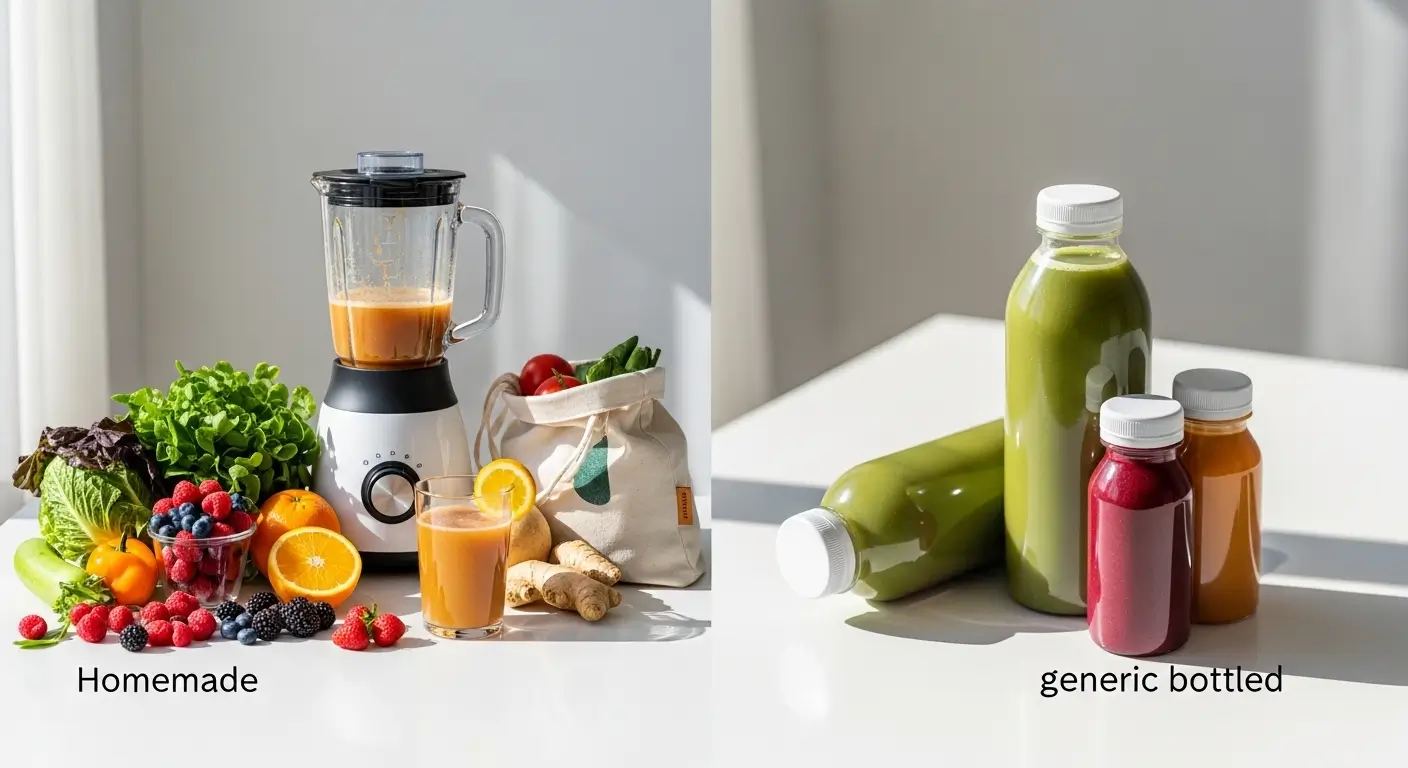
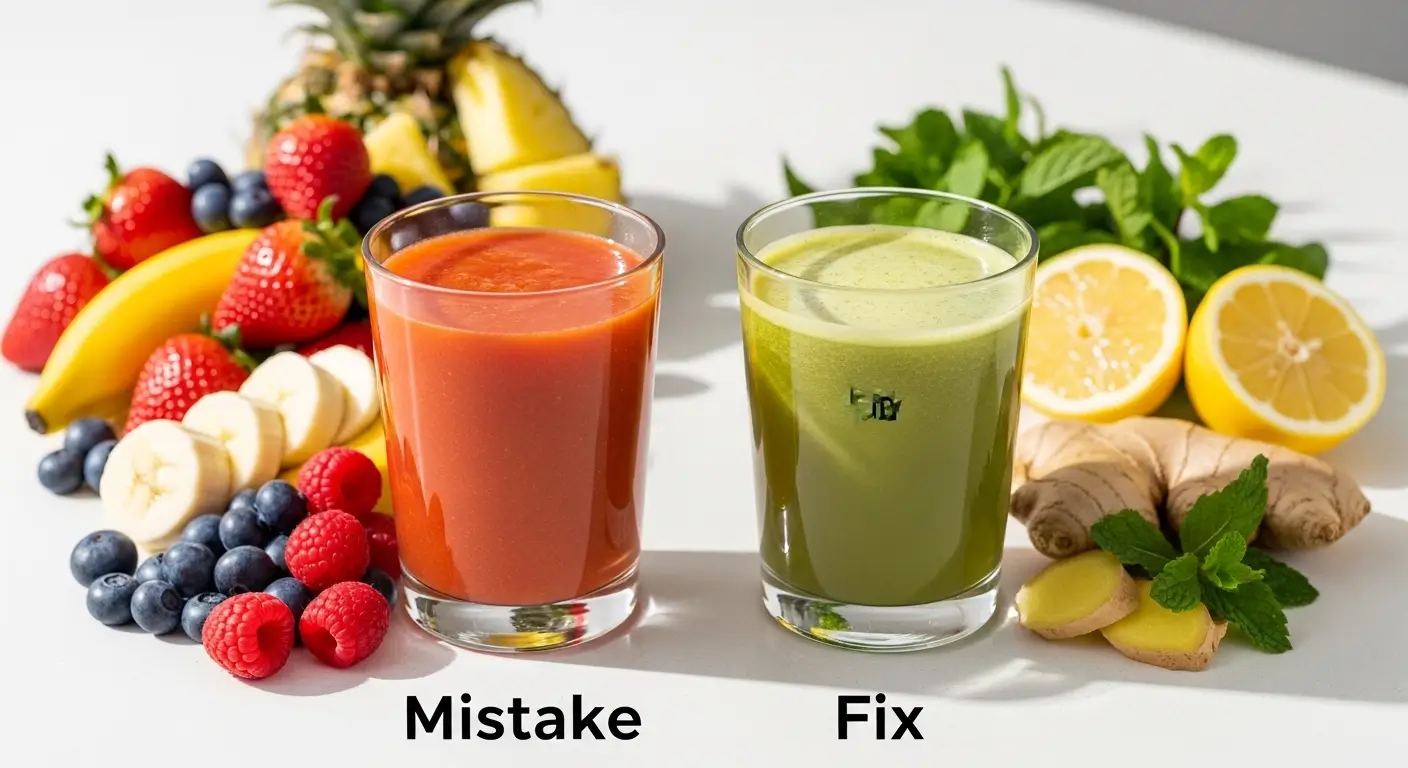
Mistake: Preparing all juices into fruit juice
Fix: Just apply the 70–85 percent vegetable rule and add lemon/mint.Mistake: Taking shots as medicine
Fix: Shots are occasional; food quantities are over mega-doses.Mistake: The belief that juice is a substitute of meals
Fix: In the event you require meal replacement, go with smoothies with protein and fiber.Mistake: Home-made soda tonics or far-fetched detox
Fix: Skip it. The safer long game is hydration + plants + consistency.
Also Read: Sourdough Bread Machine Recipe: Easy Loaf with Starter 2026
FAQs
1) Which is the most appropriate anti-inflammatory juice to take every day?
The most reproducible day-to-day drink is a vegetable-based green juice made with cucumber, celery, leafy greens, lemon, and ginger since it is already low in sugar and can be customized.2) Which juice is the quickest to be inflamed?
There is no juice that acts fast like a drug. Consistency is the most beneficial method: juices or smoothies with a high proportion of vegetable content that promotes an anti-inflammatory diet in the long run.3) Can a turmeric ginger drink be taken on a daily basis?
It may be okay to many individuals in small portions of food, however, daily high dose practices are not the best especially when one is pregnant, has gallbladder problems or on blood thinners. Start small and be cautious.4) Juice vs smoothie: which one is better in inflammation?
Smoothies can be a good choice, as they preserve fiber and can make one feel fuller and the blood sugar levels can be less susceptible to smoothies. Even juice is still able to fit in as long as it is mostly vegetables and not fruit-heavy.5) What is the refrigeration time of homemade juice?
Quality is best the same day. In reality, it is a convenient range of 24–48 hours provided it is refrigerated in an airtight container. When it stinks or is too fizzy then throw it away.6) Is cold-pressed juice safe?
Extraction, rather than safety, is referred to as cold-pressed. Enquire whether it is pasteurized or HPP and be particularly careful when it comes to unpasteurized juices especially when pregnant or immunocompromised.7) What is the recipe of anti-inflammatory juice without a juicer?
Add cold water, strain using fine mesh strainer (optional). Or make it a smoothie so as to retain fiber.8) What do I need to do to make my juice a low sugar, yet a tasty one?
It can be flavoured with lemon/lime, mint, cucumber and ginger. Use fruit at 15–30 percent of the blend and use a single sweet (such as 1/2 apple) rather than several fruits.9) What shall I order in a juice bar that is close to me?
Select a green juice that is mostly vegetable or a light turmeric mix, inquire whether it is pasteurized/HPP and do not buy a dessert juice that starts with apple, pineapple, and several sweet fruits.
Conclusion
The recipes of anti inflammatory juices are most effective when they are vegetable based, rotated, and realistic. It is a daily base (Green Ginger), then two specialty choices (Golden Citrus and Tart Cherry Spritz) and keep the fruit under control. When you purchase something that is near to you, then you need to focus on clear safety processing (pasteurized/HPP), labeling, and treating shots as something occasional, not medicinal.
Leave a Reply