
Vanilla Bean Paste
One of those types of small upgrade, big payoff ingredients is vanilla bean paste especially in a vanilla bean paste recipe that delivers real flavor.
It has a stronger vanilla taste than most extracts and you also have the classic vanilla specks (vanilla caviar) which make custard, frosting and ice cream look like they came out of a bakery. And when you get the base and ratios right you can prepare it in minutes at home without spending money on costly vanilla beans.
This is the point: vanilla bean paste does not simply consist of beans and sugar. Thick, glossy, spoonable, and stable are the properties of the best paste. Neither should it become watery, nor bitter, nor lay itself in layers.
This guide will demonstrate to you two safe approaches, one of which is alcohol-containing and shelf-stable and the other alcohol-free and uses food-grade vegetable glycerin as well as how to select beans, how to prevent separation, and how to use paste in place of vanilla extract.
Quick answers you can copy
What is vanilla bean paste?
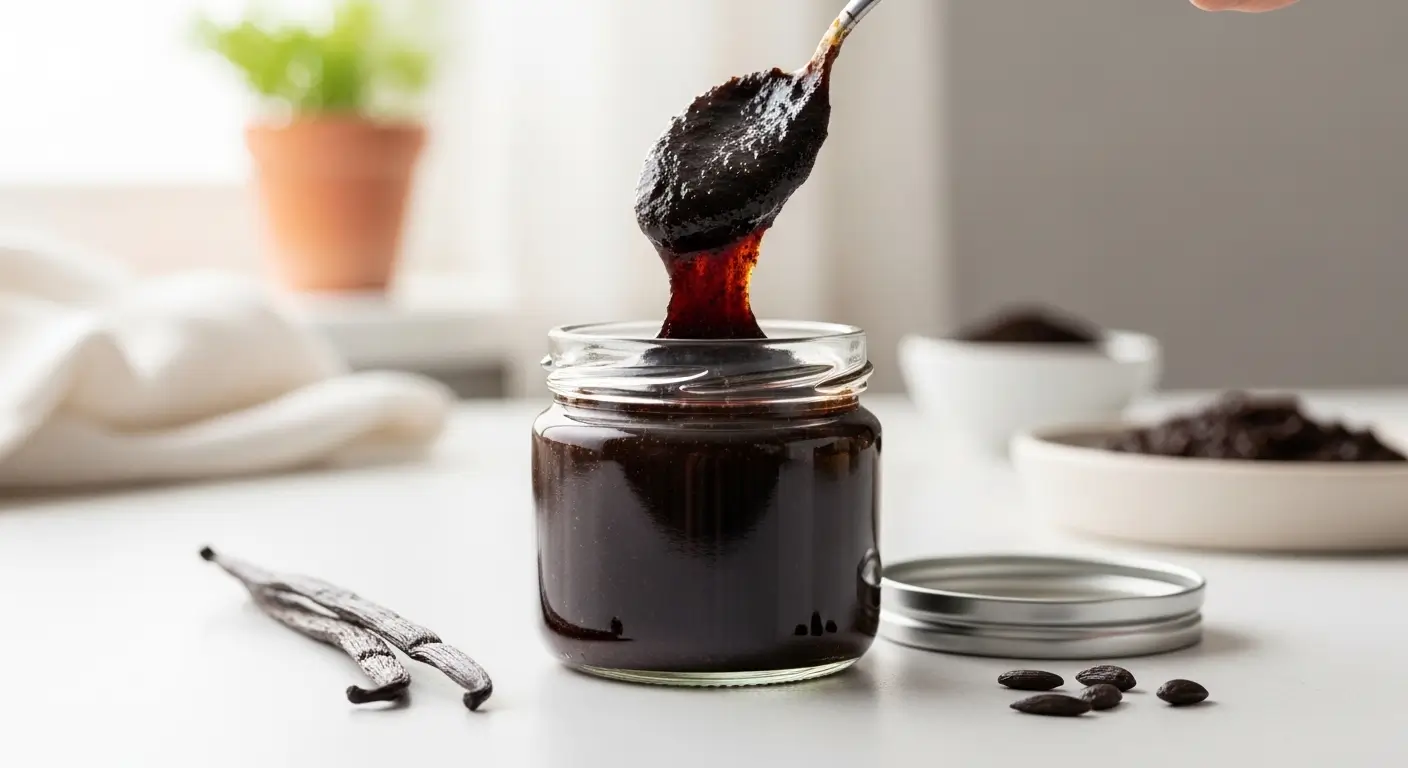
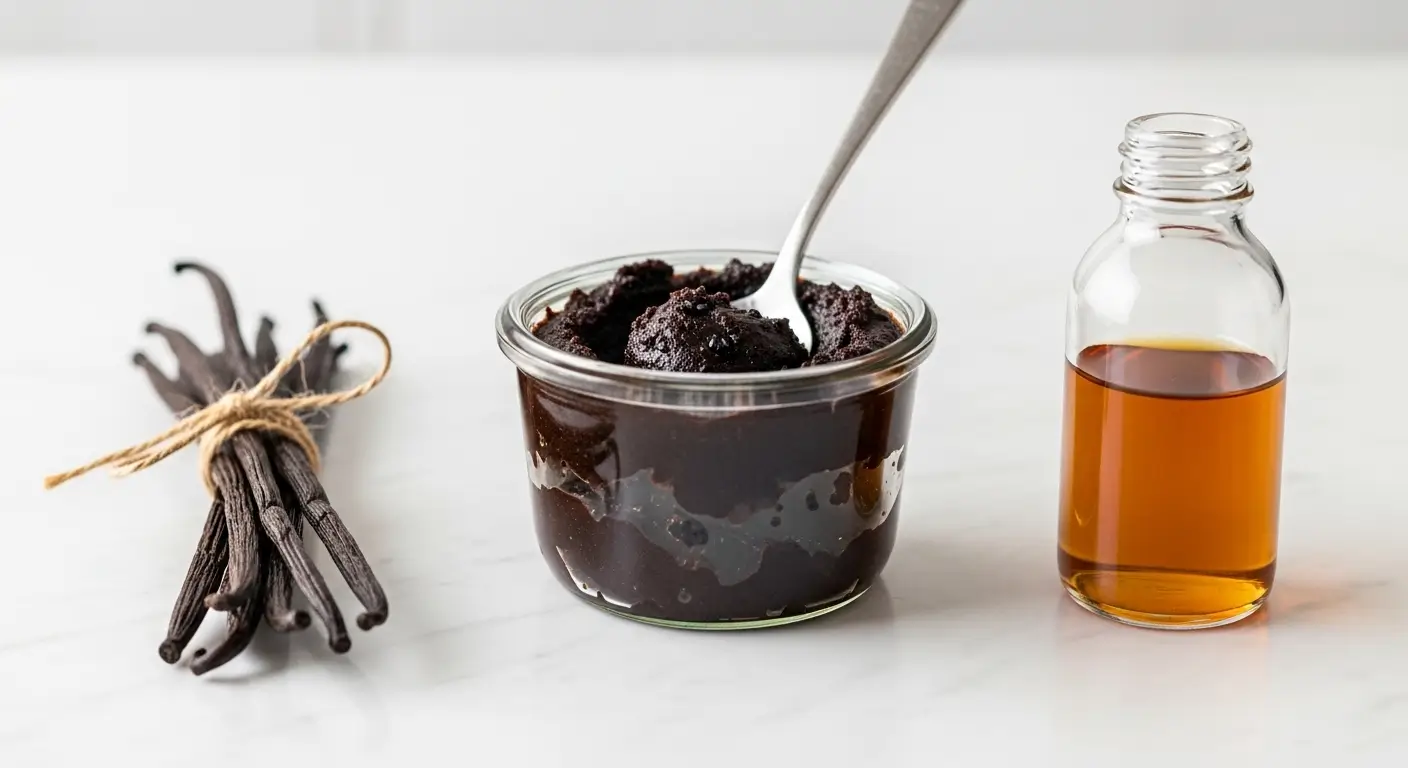
Vanilla bean paste is a thick paste of vanilla flavouring which is prepared using vanilla beans (pods), a sweet base, and frequently a stabilizer. It provides a good aroma and visible vanilla seeds and is therefore suitable in desserts and baking.
Is it possible to replace vanilla bean paste with vanilla extract?
Yes. You can use vanilla bean paste as a replacement of vanilla extract 1:1 (same quantity) in most recipes.
Is the paste of vanilla bean alcoholic?
Some do, some don’t. Numerous commercially available and homemade versions are preserved with vodka/rum/bourbon. Vanilla paste with no alcohol normally contains vegetable glycerin.
Also Read: Sausage Potato Leek Dijon Mustard Hash Recipe 2026
Choose your method
Quickly select the following:
Select Alcohol Method in case you wish:
- Extensive shelf life at room temperature.
- A paste that is safe and stable with reduced hassles.
- Optimal store-bought fashion outcomes.
Select the Alcohol-Free Glycerin Method when you desire:
- No alcohol due to diet, religion, or any personal reasons.
- Easy blending paste that is smoother.
- A paste that you are happy to keep in the fridge to ensure maximum freshness.
Both methods work. The most appropriate decision is based on your house and bakery.
What vanilla bean paste is made of (and why it matters)
Vanilla is found in Vanilla planifolia, which is the species of the majority of classic vanilla beans (particularly, Madagascar/Bourbon vanilla). Tahitian vanilla is more floral and fruitier and Mexican vanilla tends to read spicier and warmer.
The vanilla bean paste of high quality has:
- Vanilla beans/pods (and seeds/vanilla caviar)
- A sticky sweet liquid (corn syrup/glucose syrup/invert sugar or glycerin)
- A carrier of flavors (usually alcohol but can also be water)
- Optional stabilizer (usually xanthan gum in minute quantities)
Also Read: Anti Inflammatory Juice Recipes: Easy Drinks for Daily Wellness
Why the base matters
Viscosity is not simply texture, but it determines the suspension of specks. A thin base leads to:
- Seeds sinking to the bottom
- “Bean float” at the top
- Watery separation
That speckled look and that spoonable consistency is provided by the use of a thick base (syrup or glycerin).
Ingredients and tools
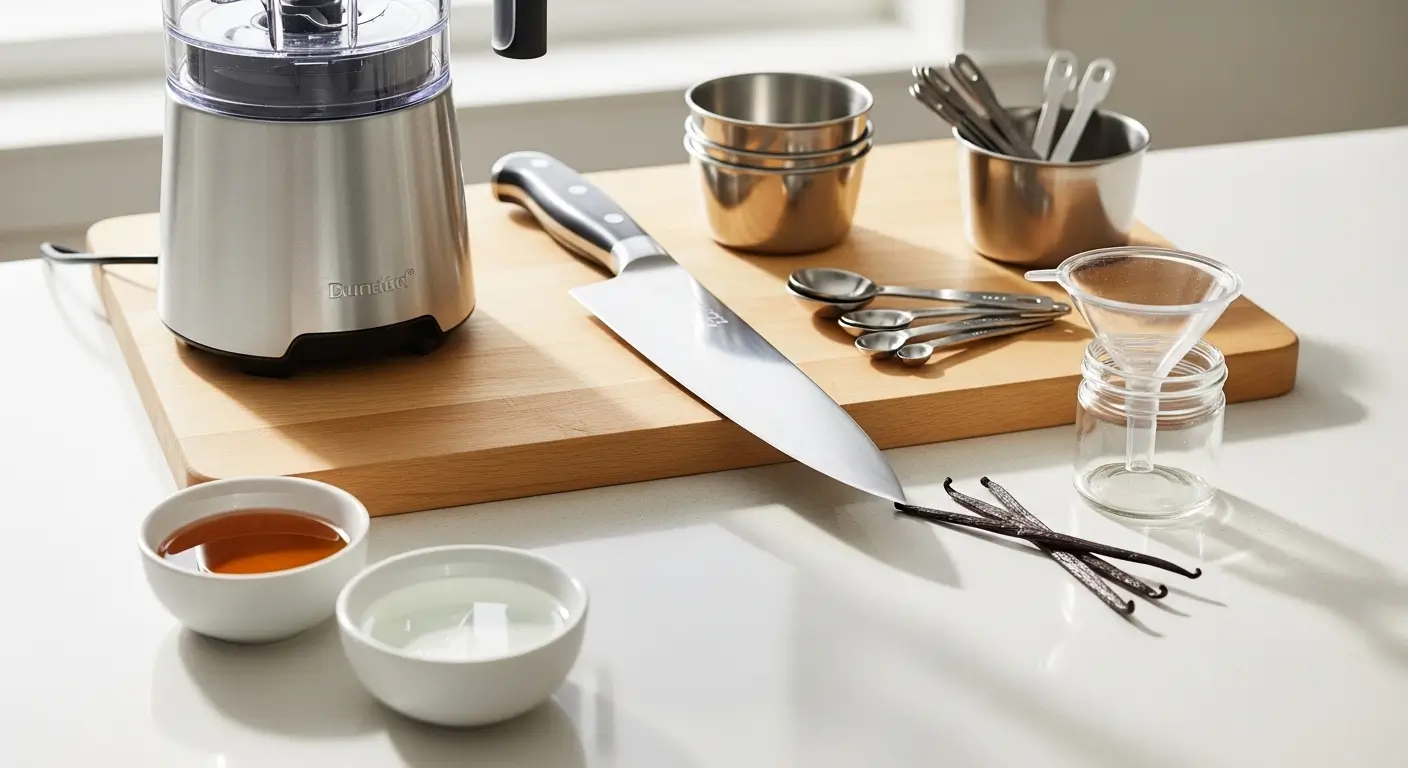
Tools
- Fast blender or food processor (a blender is the least difficult)
- Sharp knife and cutting board (or kitchen scissors)
- Measuring cups/spoons
- Small funnel (not essential, though useful)
- Glass (preferably) jar with tight lid.
Vanilla beans: Grade A vs Grade B (what to buy)
- Grade A: fatter, prettier, more moist (individuals like splitting and scraping)
- Grade B: drier, usually less expensive, highly aromatic (good in extracts/pastes)
In the case of paste Grade B is frequently the best price since you are blending the entire pod. And Grade A is better, now you are scraping the seeds on for appearance—but not necessary.
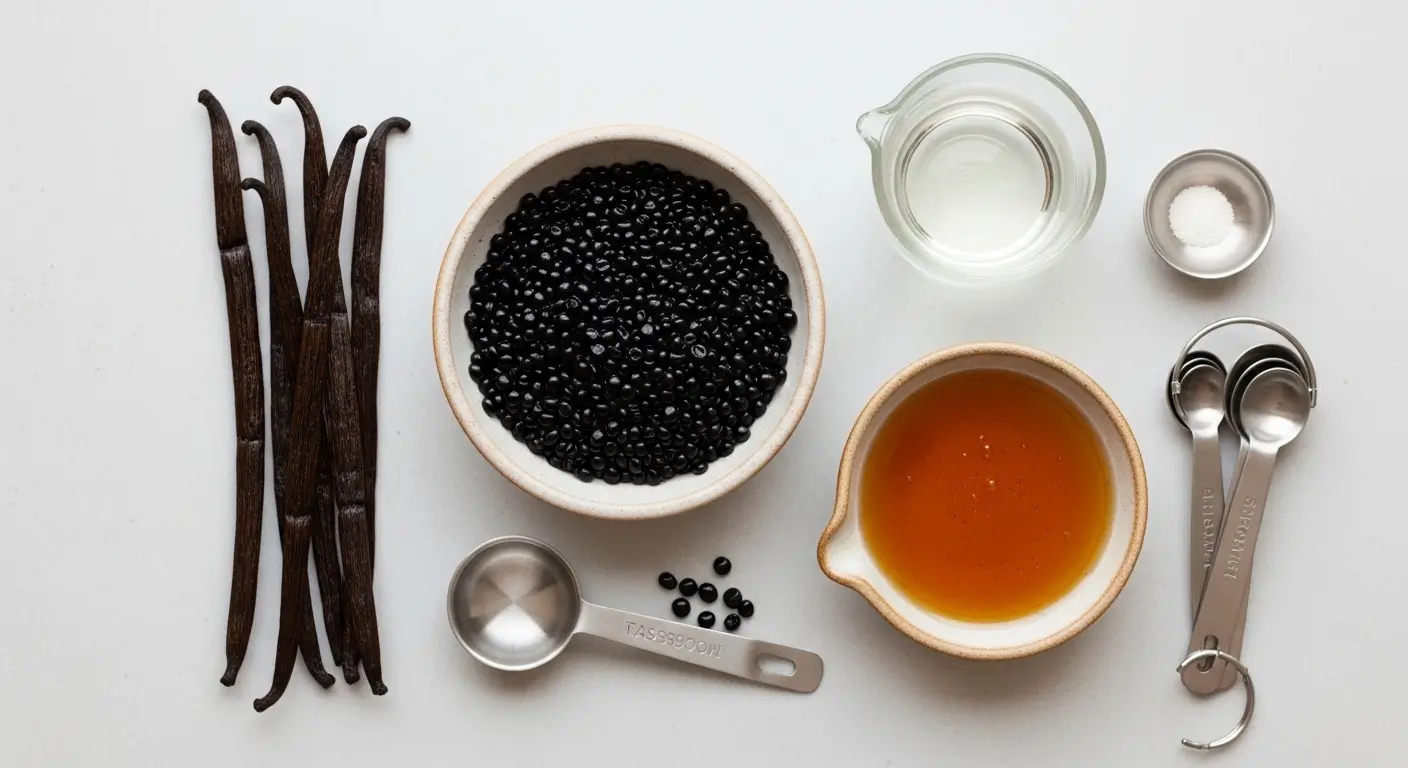
Base ingredients (choose one method)
Method 1 (Alcohol + Syrup)
- Vanilla beans (5–8 beans)
- Corn syrup, or glucose syrup (½ cup)
- Granulated sugar (¼ cup)
- Vodka/rum/bourbon (⅓ cup)
- Water (2–4 tbsp as needed)
Method 2 (Alcohol-Free Glycerin)
- Vanilla beans (5–8 beans)
- Glycerin (½ cup) food grade vegetable
- Simple syrup or granulated sugar (¼ cup sugar or ¼ cup simple syrup)
- Water (1–3 tbsp as needed)
- Optional: small pinch xanthan gum
Also Read: Boom Boom Sauce Recipe: Creamy, Spicy, Sweet Dip 2026
Vanilla Bean Paste Recipe (Method 1: Alcohol + Syrup)
The most traditional homemade method is this one: stable, bold and nearest to high-quality commercial vanilla bean paste.
Step-by-step
- Sterilize your jar. Wash in hot soapy water, rinse and dry off.
- Prep beans. Take each vanilla pod and cut it in half (and then cut into 1–2 inch slices) with a scissor.
- Build your base. Put corn syrup, sugar and alcohol in the blender.
- Add beans. Fall all pieces of beans (seeds and pods).
- Blend. Begin at a low level, then at a high one of 60–120 seconds till thick and speckled.
- Adjust texture. In case it is too thick, add 1 tbsp water at a time. In case it is too thin, mix longer or add 1–2 tbsp of syrup.
- Jar and label. Add into the sterilized jar, close the jar and date.
- Rest (optional). Flavor is enhanced after 24–48 hours of the mixture settling and infusing.
What “perfect texture” looks like
- Sticky as hot honey or maple syrup.
- Dust in the paste disseminated.
- A day later no watery layer at the top.
Vanilla Bean Paste Recipe (Method 2: Alcohol-Free with Glycerin)
It is the best version to use in case you require alcohol-free vanilla paste. Vegetable glycerin is thick in nature and aids in suspending specks.
Step-by-step
- Wipe the jar using sterile.
- Ready beans (peeled and cut in pieces).
- Add glycerin + sugar to the blender.
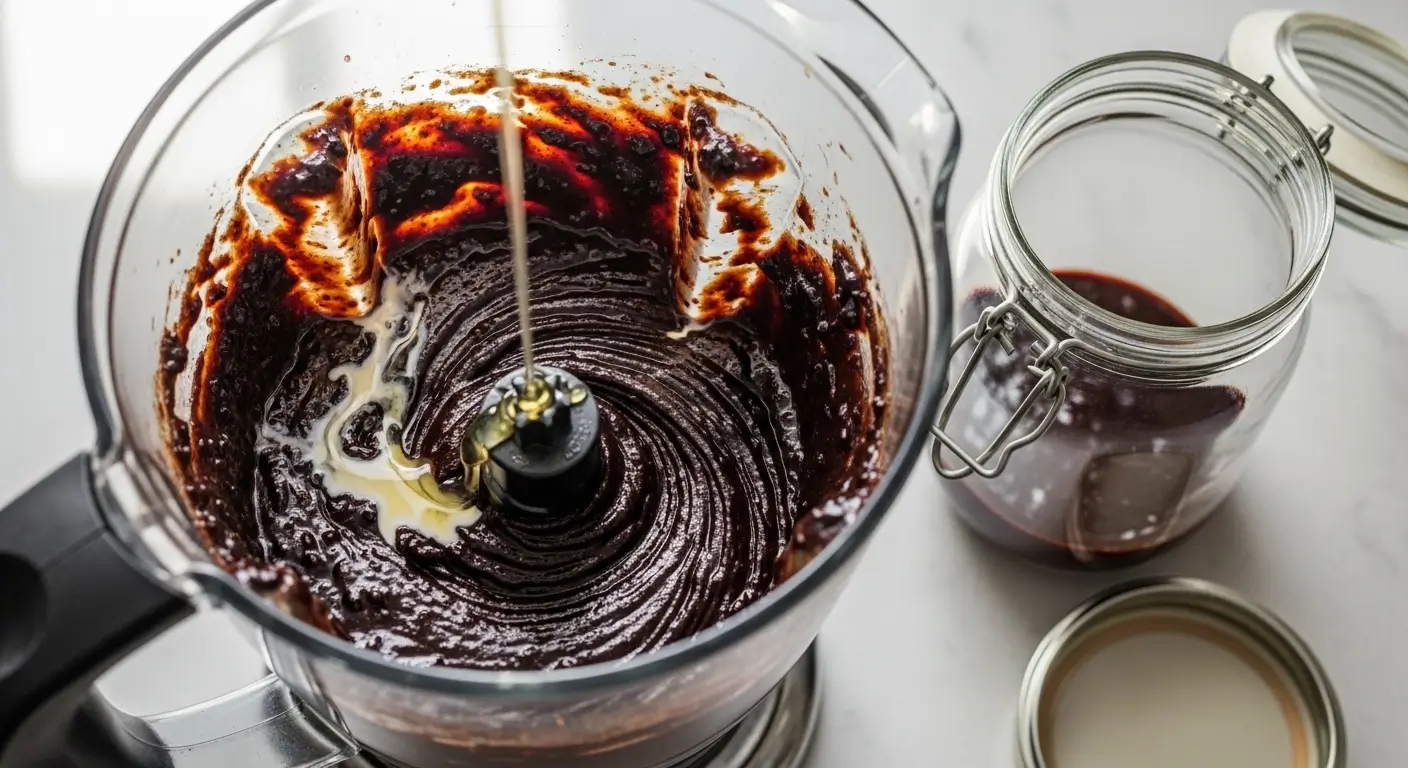
- Add vanilla pods and mix 60–120 sec.
- Add water 1 tbsp at this time only when necessary.
- Stability boost (not a requirement): Add 1 pinch xanthan gum (think: a sprinkle, not a spoonful) and mix an addition more 10–15 seconds.
- Chill, Jar, label and store to optimum long-lasting quality.
Also Read: Best Bacon Savoury Tart Recipes for Brunch and Lunch 2026
Flavor note
Alcohol is aggressive in its aroma. Glycerin has a bit more rounder, softer profile, but it is equally delicious particularly in dairy rich desserts such as custard, whipped cream and ice cream.
Prevent separation: texture science
When your paste is parted it is not a safety problem, it is a texture/viscosity issue, unless you notice the growth of a mold or something unpleasant smelling.
The 3 most common causes
- Base is too thin (lack of syrup/glycerin)
- Blend (not broken down) long enough.
- No stabilizer (more so when you added additional water)
Fixes that work
- Blend another 60 seconds
- Add 1–2 tbsp corn syrup/glucose syrup (Method 1)
- Add 1–2 tbsp glycerin (Method 2)
- Xanthan gum will be required in small quantities, re-blend.
How to use vanilla bean paste
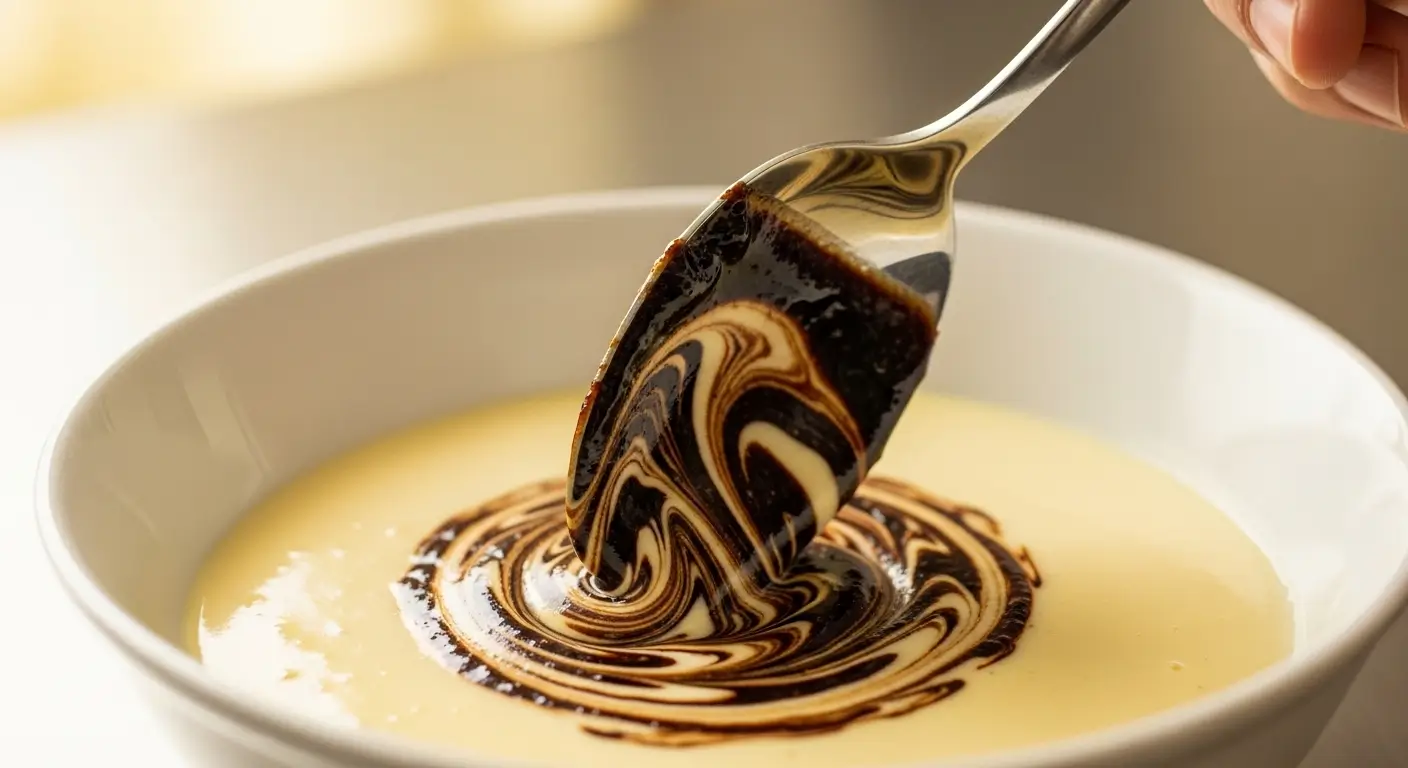
Vanilla bean paste is the star of vanilla-based foods where the flavor and specks can be seen.
Best uses (high payoff)
- Buttercream icing and cream cheese icing.
- The cake of vanilla, cupcakes, sugar cookies.
- Custard, pastry cream, pudding.
- Gelato, ice cream, no-churn ice cream.
- Cheesecake and panna cotta
- Coffee beverages (vanilla latte), milkshakes, smoothies.
- Oatmeal, yogurt, whipped cream.
When extract is enough
When the recipe is highly seasoned (dark chocolate brownies, strong spices, peanut butter), vanilla extract can be used without any problem since vanilla is not the focus.
Also Read: Southern Snap Beans Recipe: Slow-Simmered and Flavorful
Substitution guide
In most recipes:
Vanilla bean paste = vanilla extract (1:1)
If the recipe calls for:
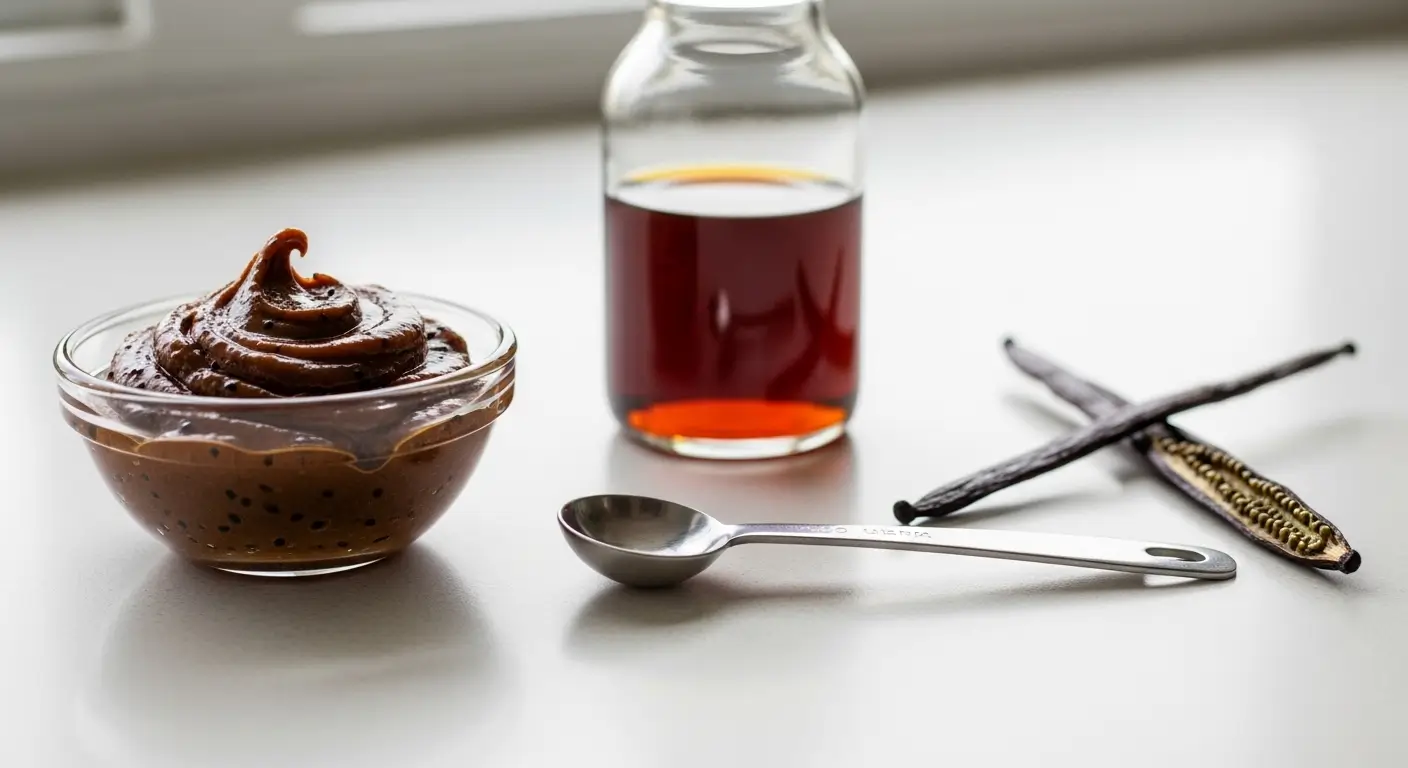
1 entire vanilla bean: Use approximately 1 tablespoon vanilla bean paste (that is a handy amount to begin with).
Quick swap table
| Swap | Amount |
|---|---|
| Paste → Extract | 1:1 |
| Extract → Paste | 1:1 |
| 1 vanilla bean | ~1 tbsp paste |
How long does homemade vanilla bean paste last?
The length of shelf life will depend on the way you store and your storage habits.
Storage table
| Storage | Best for | Time |
|---|---|---|
| Pantry (cool/dark) | Alcohol method | Months |
| Fridge | Any method | Longer |
| Freezer | Backup batches | Very long |
Practical safety checklist
Waste the paste in the event that you observe:
- Mold
- Strange odor (sour, musty)
- Bubbling/fermenting
- Observable contamination (crumbs, dairy, use dirty spoon)
Best habit: use a clean and dry spoon and keep the cover of the lid closed.
Also Read: Chicken Long Rice Recipe: Easy Hawaiian Noodle Soup 2026
Is DIY worth it?
Vanilla beans would be costly thus the answer to is it cheaper would be dependent on the price of vanilla beans in your area and the frequency of baking.
Use this simple cost-per-teaspoon model
- Total cost of your batch: beans + base ingredients.
- Number of teaspoons you made: estimate yield.
- Divide: all cost/all teaspoons.
DIY tends to be worth it if you:
- Bake often (weekly+)
- Want alcohol-free control
- Very much prefers intense taste and a spotted appearance.
- Do not want to pay high prices on small jars.
It can always be worth buying when you:
- Use paste rarely
- Require consistent results that are not mixed.
- Need a famous brand on a bakery line.
How to choose a good store-bought vanilla bean paste
When you are making comparisons of brands, check the ingredient list.
What to look for
- Vanilla beans or vanilla extractives were listed first.
- Instead of a predominantly water base (syrup/glycerin), a thick base.
- Fresh smell (not acute, chemical, and too sweet)
What to avoid
- Much watery pasta and few specks.
- Good sweet smell that dominates baked goods.
- Brands which conceal the source of vanilla with generic words.
Also Read: Frozen Green Bean Recipes: Easy, Fast Side Dishes 2026
Vanilla paste vs vanilla extract vs vanilla beans
You do not have to make a complex decision. Use this:
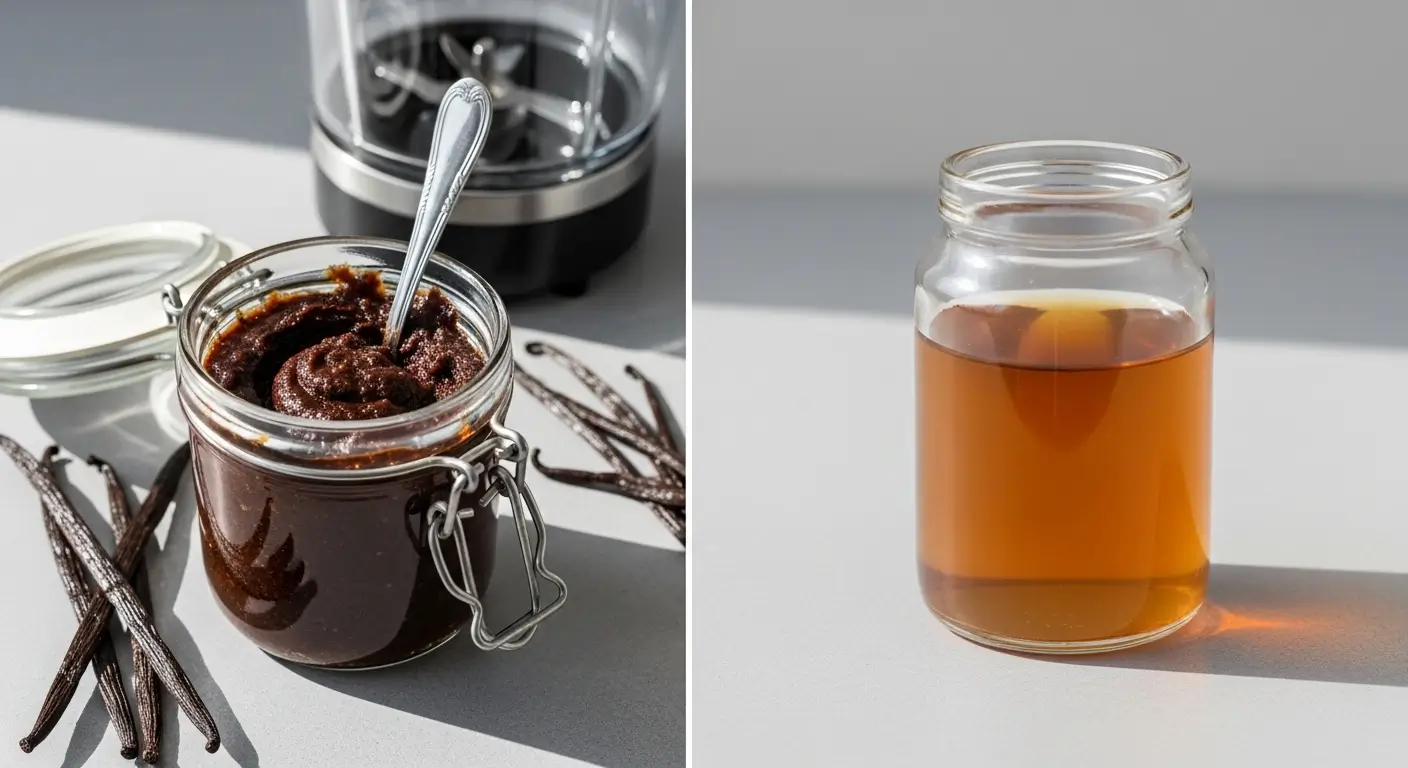
- Vanilla beans: these are the most favored ones used in showcase desserts, custard, crème brûlée.
- Vanilla bean paste: most taste-wise + convenient + specks.
- Vanilla extract: the most common and the most cost-effective.
Mini table
| Option | Best for | Look |
|---|---|---|
| Beans | Luxury desserts | Specks |
| Paste | Frosting/custard | Specks |
| Extract | Everyday baking | Clear |
Flavor pairing by origin
Choosing beans by origin can subtly improve results:
Madagascar/Bourbon vanilla (Vanilla planifolia): thick, creamy, traditional vanilla.
- Good on: cakes, cookies, frosting, custard
Tahitian vanilla: flowery, fruitful, light.
- Good with: whipped cream, desserts made of fruit, panna cotta.
Mexican vanilla: pleasant, spicy, a bit woody.
- Good with: cinnamon desserts, chocolate and vanilla, with flan.
You can begin with Madagascar/Bourbon vanilla in case you are not sure. It’s the most versatile.
Troubleshooting
“My paste is too thin.”
- Blend longer
- Add 1–2 tbsp syrup (Method 1) or glycerin (Method 2)
- Minim added water in the next batch.
“It tastes bitter.”
- You can have blended too hard into the heat or have very dry pods which require more base.
- Add slightly more syrup/glycerin and allow to rest after 24 hours.
- The next time: incorporate shorter bursts.
“Seeds sank to the bottom.”
- Base wasn’t thick enough
- Shake before using
- Optional: small pinch xanthan gum, re-blend.
“It’s gritty.”
- Blender is too weak to chop pods into fine particles.
- Blend longer or strain (you will lose a few of the specks and strength)
Also Read: Gluten Free Naan Recipe: Soft, Chewy, Easy 2026
Where to buy vanilla bean paste and beans
Vanilla bean paste is readily available online to many individuals in the world. The availability and prices are different depending on the region.
- USA/UK/Canada/Australia: grocery stores (specialty) and bakery supply stores, web stores.
- India/Pakistan: frequently ordered; compare reliable online stores and baking vendors.
- The Middle East markets: alcohol free vanilla products are usually more readily available; look at the presence of glycerin based vanilla flavoring.
When purchasing vanilla beans you are looking at:
- Entire, fragrant pods (not shreddy dust)
- Definite origin labeling (Madagascar, Tahiti, Mexico)
- Correct packaging (not dried up)
Pros and cons
Pros
- Intense vanilla taste and smell (vanillin-dominant)
- Speckled look to have premium look.
- Simple one to one replacement of extract.
- Ingredients control (alcohol-free version)
Cons
- The vanilla beans are more expensive than extract.
- Needs a blender/processor
- Can distinguish the too thin base.
Mini glossary
- Vanilla planifolia: major culinary species of vanilla.
- Vanilla caviar: the tiny seeds of the pod.
- Invert sugar / glucose syrup: syrups that contain thickeners, and make things have viscosity.
- Xanthan gum: emulsifier that does not allow the separation (add in small quantities)
- Vanillin: major aroma constituent that is related to the flavor of vanilla.
Also Read: Ritz Cracker Chicken Casserole Recipe: Creamy and Crispy 2026
FAQs
1) What is vanilla bean paste?
It is a specked vanilla flavoring that is thick and composed of vanilla beans and a syrupy or glycerin like base. It provides good vanilla flavor and visible seeds, which are ideal and suitable in desserts and baking.
2) Does vanilla bean paste outperformed vanilla extract?
Yes, often—in dishes which vanilla is the chief spice. Paste also provides the visual speckle which extract does not.
3) Is it possible to replace vanilla bean paste with vanilla extract?
Yes. Use a 1:1 swap in most recipes. In case a recipe requires 1 teaspoon extract, substitute it with 1 teaspoon paste.
4) Is there alcohol in vanilla bean paste?
There are those that do (vodka/rum/bourbon bases). In case the alcohol is required, then you use the vegetable glycerin method or purchase a glycerin based item.
5) What is the shelf life of homemade vanilla bean paste?
Paste of alcohol tends to last longer at room temperature. Alcohol-free paste should be stored in the fridge to be more fresh. Discard should always be done in case of mould or offensive smell.
6) Is it possible to prepare vanilla bean paste without corn syrup?
Yes. Substitute vegetable glycerin (no alcohol method) or some other thick syrup base such as glucose syrup/invert sugar where available.
7) Is it possible to prepare vanilla bean paste without sugar?
It is possible to decrease the sugar, but the paste can become less stable. A little glycerin is used to aid in thickening, however, a small portion of sweet base tends to enhance texture and suspension.
8) What do you think are the most ideal applications of vanilla bean paste?
Buttercream frosting, custards, ice cream, cheesecake, whipped cream, vanilla cake and coffee beverages such as vanilla lattes—anywhere vanilla and specks will shine.
9) What is the reason behind the high costs of vanilla bean paste?
Vanilla beans are crops that are not easy to grow and whose supply in the world is not constant. Paste is also made with concentrated vanilla, and this is also expensive as opposed to regular extract.
Conclusion
It is the least effortful method of achieving the intense vanilla taste and the commendable spotted finish without the hassle of scraping entire beans with each use. Choose the alcohol method of easy shelf-life, or the glycerin method of no-alcohol control. Blend, thicken, store smart, and you will have a high end spoonable vanilla upgrade, which is ready to frost, custard, ice cream, and all bakes that use vanilla as a main ingredient.
Leave a Reply