Chicken Long Rice Recipe: Easy Hawaiian Noodle Soup 2026
Chicken Long Rice
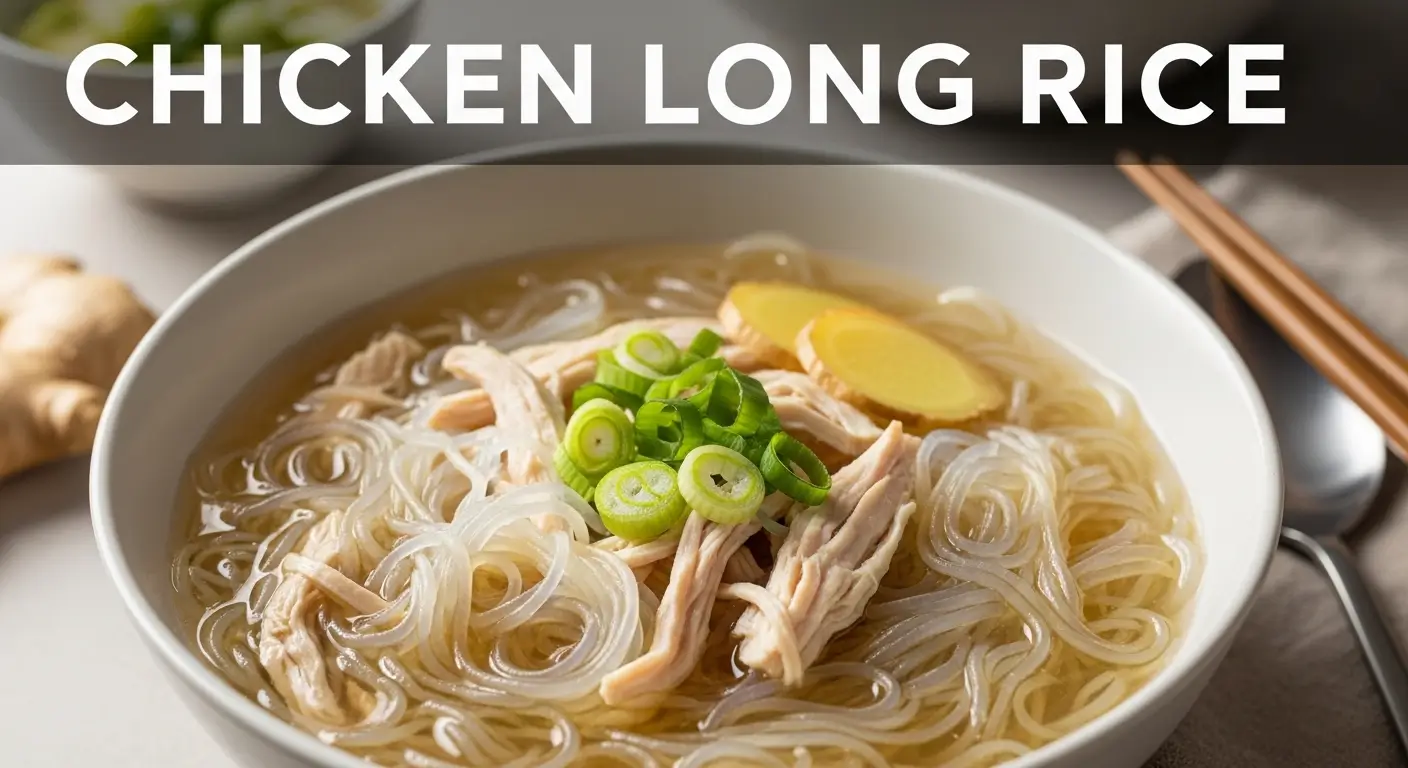
Chicken long rice is one of such simple yet comforting meals that make you feel like you are at home as soon as you open the packet and inhale the ginger touch warm broth.
In Hawaiʻi, it appears in the form of luaus, potlucks, family functions and weeknight dinners light enough to be considered relaxing, but good enough to be considered a proper meal.
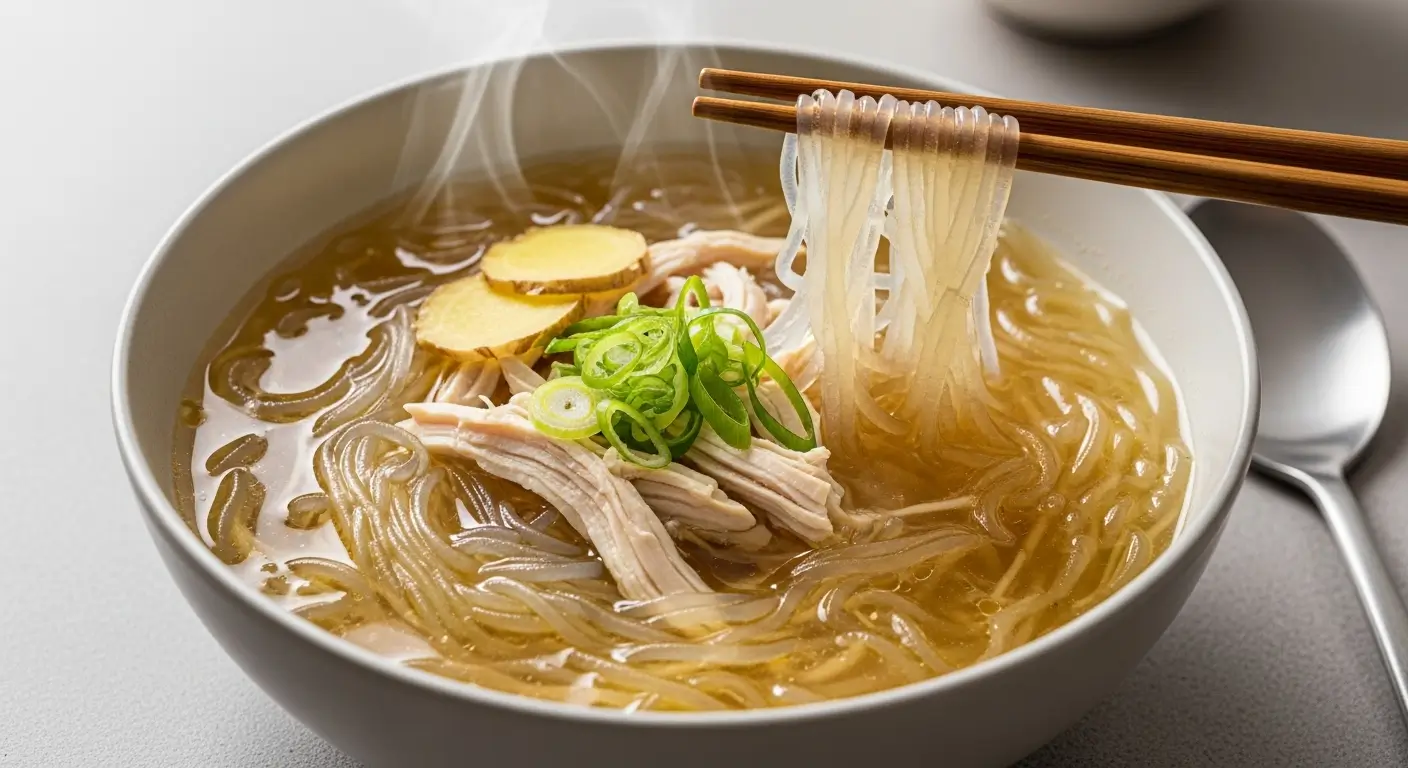
Long rice, as the name suggests, is not always rice. Most commonly, it is glass noodles, sometimes known as bean thread noodles, cellophane noodles or fensi, which become transparent in hot liquid. It is not fancy ingredients that make a great chicken long rice recipe. It is all a matter of time: prepare a clean, ginger forward broth, slice the tender chicken, and at the very end, put in the noodles so they do not become mushy but remain silky.
Quick Answer:
Chicken long rice is a Hawaiian comfort soup prepared in chicken shreds, ginger-garlic broth, and long rice glass noodles (bean thread/cellophane).
Simmers chicken to make a clear broth, prepare noodles and briefly cook them in the broth followed by soy sauce (shoyu) and green onions.
What Is Chicken Long Rice?
Chicken long rice is a Hawaiian time-honored local dish: a clear and savory broth mixed with ginger and garlic, full of shredded chicken and long curls of transparent noodles. It is known as chicken long rice soup, luau chicken long rice or just long rice in most Hawaiʻi homes.
It is not supposed to be dense or thick. The finest ones are clean, ginger-led, and most comforting — like a hot bath.
Also Read: Gluten Free Naan Recipe: Soft, Chewy, Easy 2026
What “Long Rice” Means (and What to Buy)
You have been standing in a store aisle and you have no idea what to pick, here is your cheat sheet.
Names to look for on the package
The same sort of noodles are generally used:
- Glass noodles
- Bean thread noodles
- Cellophane noodles
- Mung bean vermicelli
- Fensi (typical Chinese brand name)
There are also regional names that can be used in other countries:
- Harusame (Glass noodles) (Japanese name)
- Sotanghon (Filipino term that is similar to glass noodles)
Where to find them “near me”
Even on an international scale, such expressions coincide with the way individuals search in case they cannot locate the noodles:
- “bean thread noodles near me”
- “glass noodles near me”
- “cellophane noodles international aisle”
- “Asian grocery store near me”
Glass noodles are located in the international / Asian area of a variety of supermarkets next to ramen, rice noodles and soy sauces. Asian supermarkets tend to have numerous brands and thicknesses.
Buying safely (simple checklist)
The vast majority of glass noodles are prepared with the help of starch (usually mung bean, but sometimes sweet potato or any other starch). Examine the label and purchase the well-known brands, particularly imported noodles:
- Find a good ingredients list and a packaging in excellent condition.
- Do not buy the products whose additives are not clear or the products whose manufacturer is unknown.
- Should you require gluten-free, check the label — some might be done on mixed facilities
Also Read: Ritz Cracker Chicken Casserole Recipe: Creamy and Crispy 2026
Choose Your Style: Soupy-Slippery or Slightly Dry
There are two common texture results of this dish. You have to choose what you want to achieve and then cook it.
Soupy-slippery (most common)
- More broth in the bowl
- Noodles are tender, smooth and floating
- Best for: on a cozy day, when one is feeling down with a cold, or a sick day
Slightly dry (less broth, more noodle-forward)
- Less broth served
- Noodles are more attached to chicken
- Best for: those who prefer it both meaty and yet light
How to control it:
- Soupy: add more broth and place on table
- Slightly dry: add a little less broth or pour less into dishes
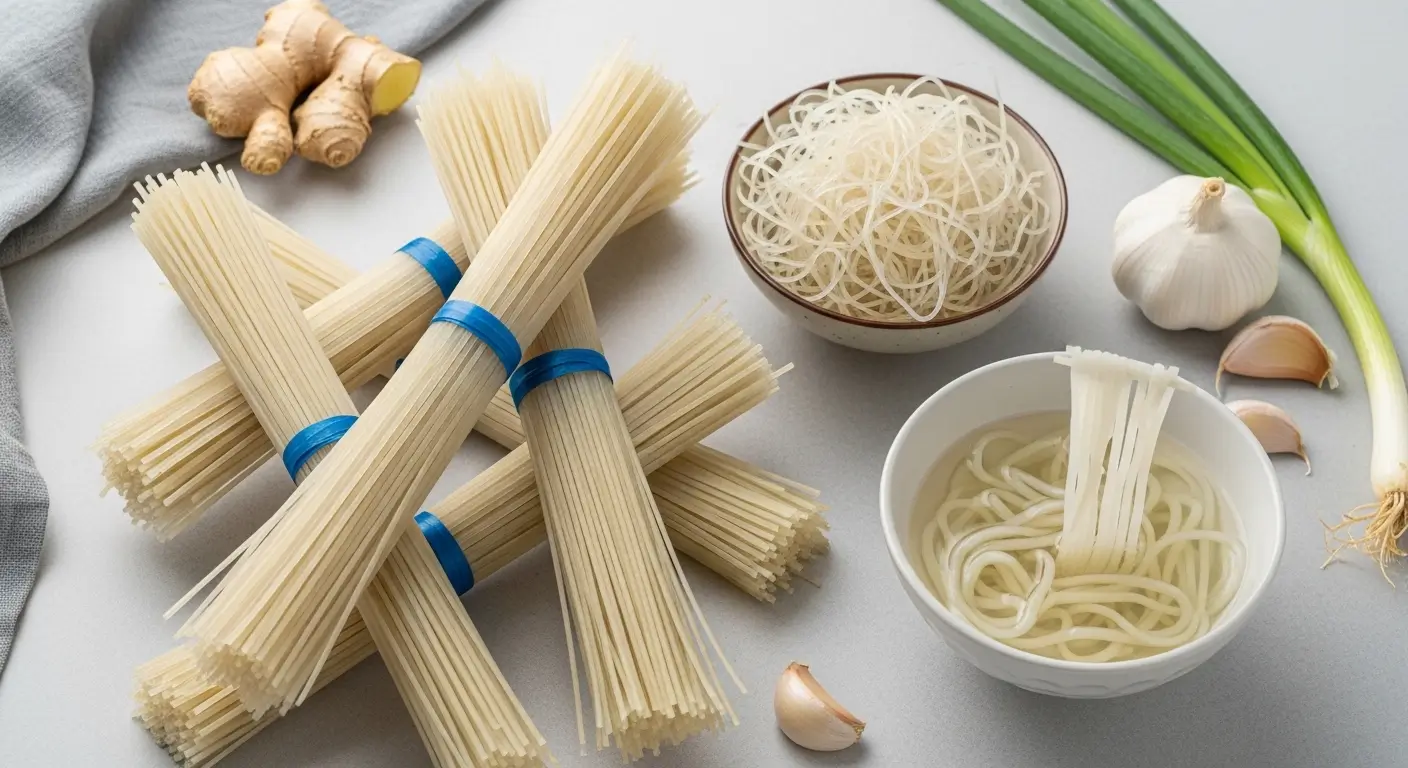
Ingredients (Global-Friendly, Hawaiian-Style)
It is a list that will be effective in the US, UK, Australia, or even Asia.
Essentials
- Chicken: thighs (fatter) or breast (leaner)
- Glass noodles (long rice): bean thread/cellophane/fensi
- Ginger: fresh, cut up or smashed
- Garlic: smashed or sliced
- Soy sauce / shoyu: to season
- Green onions / scallions: to garnish
- Broth/stock Water or chicken: either is fine
Optional add-ins (seen across common versions)
- Bok choy (gives a fresh and crunchy bite)
- Mushrooms (to add additional savouriness)
- Sesame oil (aroma, not difficult to go too far) in drops
- Hawaiian salt / sea salt (any good sea salt is good)
Tools You’ll Need
- Large pot or Dutch oven
- Slotted spoon or tongs
- Bowl for soaking noodles
- Fine mesh strainer (not necessary, unless required to have ultra-clear broth)
- Knife + cutting board
Also Read: Sourdough Bread Machine Recipe: Easy Loaf with Starter 2026
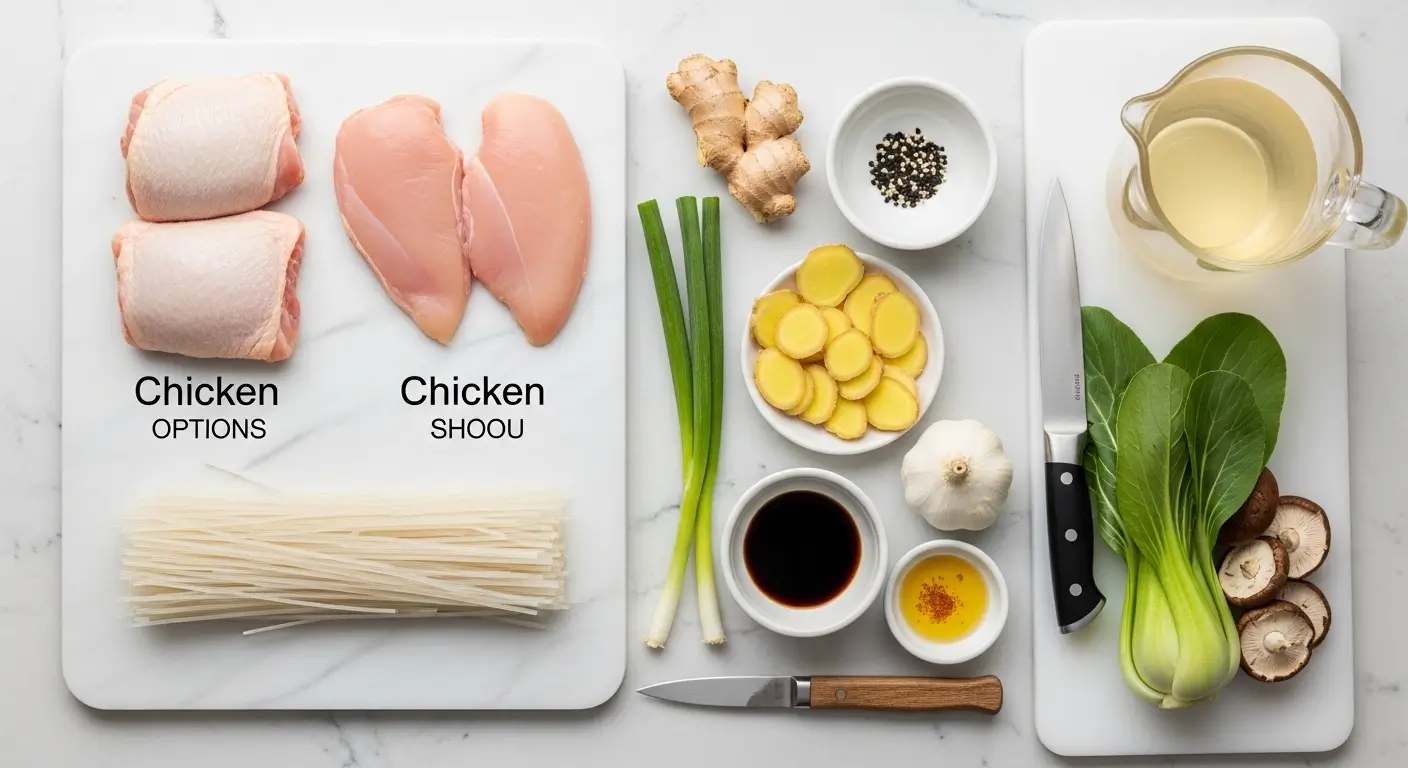
Chicken Long Rice Recipe (Stovetop, Most Reliable)
This is the most reliable way of clean broth and noodles made perfectly.
Ingredients (Serves 4–6)
- 1.5–2 lb (700–900 g) chicken thighs (with or without bone)
- Chicken breast also works — see notes below
- 8–10 cups (225–550ml) water or chicken stock/broth
- 2–3 tbsp fresh ginger, cut in coins or smashed
- 3–5 cloves garlic, smashed
- 2–3 tbsp soy sauce (shoyu), and to taste
- 6–8 oz (170–225g) glass noodles / bean thread
- 4–6 green onions, sliced
- Salt and pepper to taste
- Optional: bok choy, mushrooms, some drops of sesame oil
Step-by-step (6 steps)
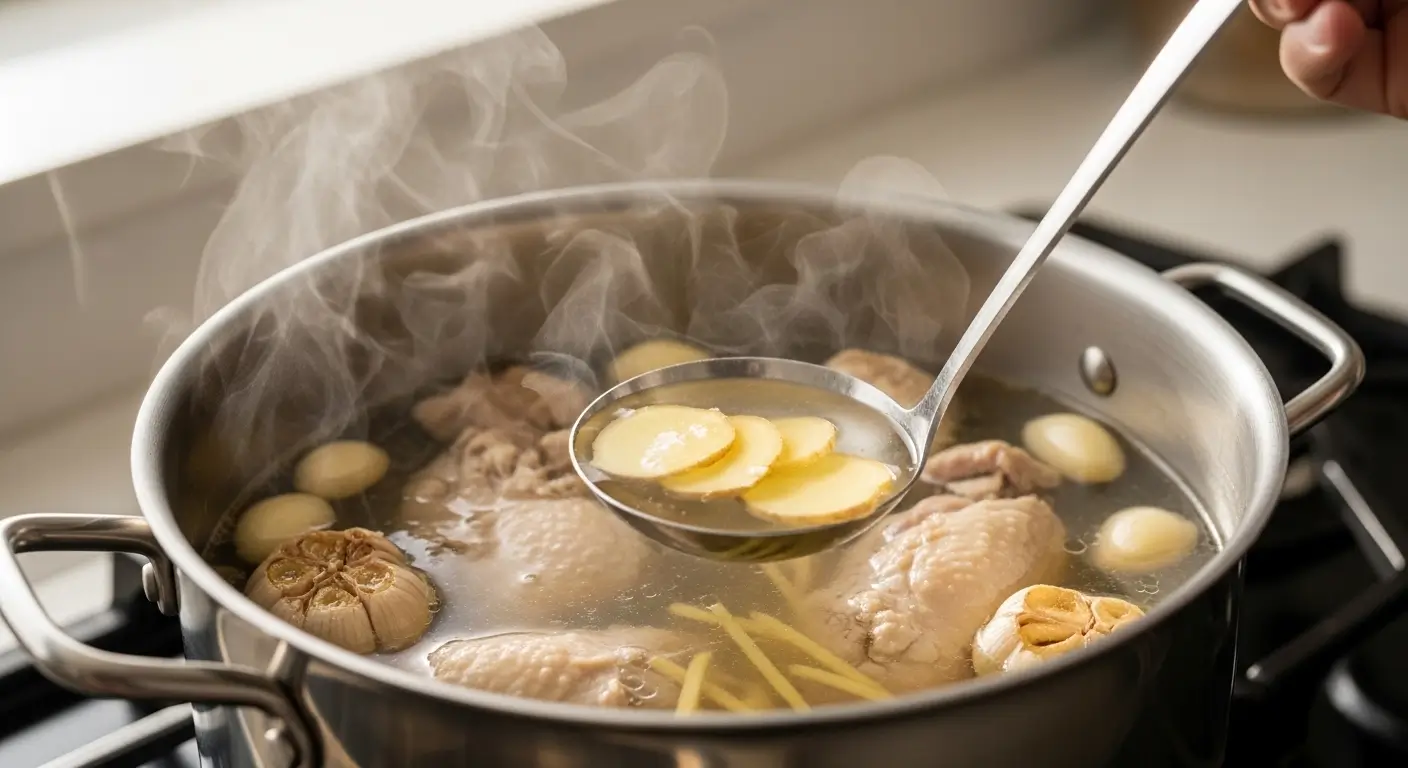
1. Prepare the broth (do not boil too hard)
Pour in water/broth, ginger, garlic and chicken to a pot. Bring to a gentle simmer.
Why it is important: Broth that is cloudy and chicken that becomes tougher can be achieved by boiling it with a rolling boil. The slightest simmer maintains it pure and soft.
2. Skim for clarity
During the initial 5–10 minutes, scoop up the foam on the surface as necessary. This is a simple process of enhancing the clarity and taste of broth.
3. Cook chicken until tender
- Bone-in thighs: 25–35 minutes on a slight simmer
- Boneless thighs: 15–25 minutes
- Breast: 15–20 minutes (draw it in before it gets dry)
Remove chicken to a plate.
4. Shred the chicken
When it is cool enough to handle, cut it in bite size strands. Bones/skin Discard bone-in.
5. Soak the noodles (the anti-mush step)
Add the glass noodles into a bowl and warm with water. Allow to soften — normally 8–12 minutes, however, take instructions on your pack. Drain well.
Key warning: Glass noodles continue to become soft in hot liquid. Don’t cook them long in the pot.
6. Combine and finish
Add shredded chicken in the pot back. Season with soy sauce (shoyu). Add exhausted noodles and warm 1–3 minutes gently until transparent and silky.
Turn off heat. Stir in green onions. Taste and adjust:
- Add more soy sauce to savoury saltiness
- A pinch of sea salt if needed
- Pepper to taste
- Choice: 2–4 drops sesame oil (not teaspoons)
Also Read: Cherries in the Snow Recipe: Easy No-Bake Dessert 2026
Thigh vs Breast: Which Should You Use?
You are both working, but it is your priorities.
Chicken thighs (recommended)
Pros:
- Juicier and more forgiving
- Reheats well
- Adds richer flavor
Cons:
- A little more fat (you may skim broth)
Chicken breast
Pros:
- Lean and clean tasting
- Cooks faster
Cons:
- Dry out easier when it is overcooked
Best practice: When using breast, draw it off as soon as it is cooked through and shred and put it back on at the end.
Soak vs Boil: The Noodle Rule That Makes or Breaks It
Glass noodles do not look like pasta. They become ideal to soft mush.
Best method:
- Soak first in warm water
- Drain
- Simmer briefly in broth (1–3 minutes)
If your noodles still turn mushy, it’s usually one of these:
- They had been too long in very hot water
- They were boiled too long in the pot
- They were sitting in hot broth following cooking (mainly leftovers)
Fix for leftovers: keep noodles in different containers (more than that below).
Troubleshooting: Quick Fixes That Save the Pot
Problem: My broth is bland
Fix:
- Added soy sauce in small portions
- Add a little more ginger (simmers 5–10 minutes)
- Put scallion whites in first, greens last
- In case you prefer it to be deep: mushrooms or a small dash of added flavor (do not overdo it)
Also Read: Easy Chicken Pot Pie Recipe with Cream of Chicken Soup 2026
Problem: My broth is cloudy
Fix:
- Be careful not to boil it but have it at a gentle simmer
- Skim foam early
- Spread strain broth over chicken and noodles again (not necessary but works well)
Problem: My noodles are mushy
Fix:
- The following time, soak less and simmer less
- To-day: eat up and do not cook any more
- To prepare meals in advance: keep noodles in different container and mix them in case of reheating
Problem: It’s too salty
Fix:
- Dilute with water or unsalted broth
- Balance with more added chicken or bok choy that is shredded
- It is best not to attempt to make it better with sugar, but to dilute it
Make-Ahead, Storage, and Reheating (Meal-Prep System)
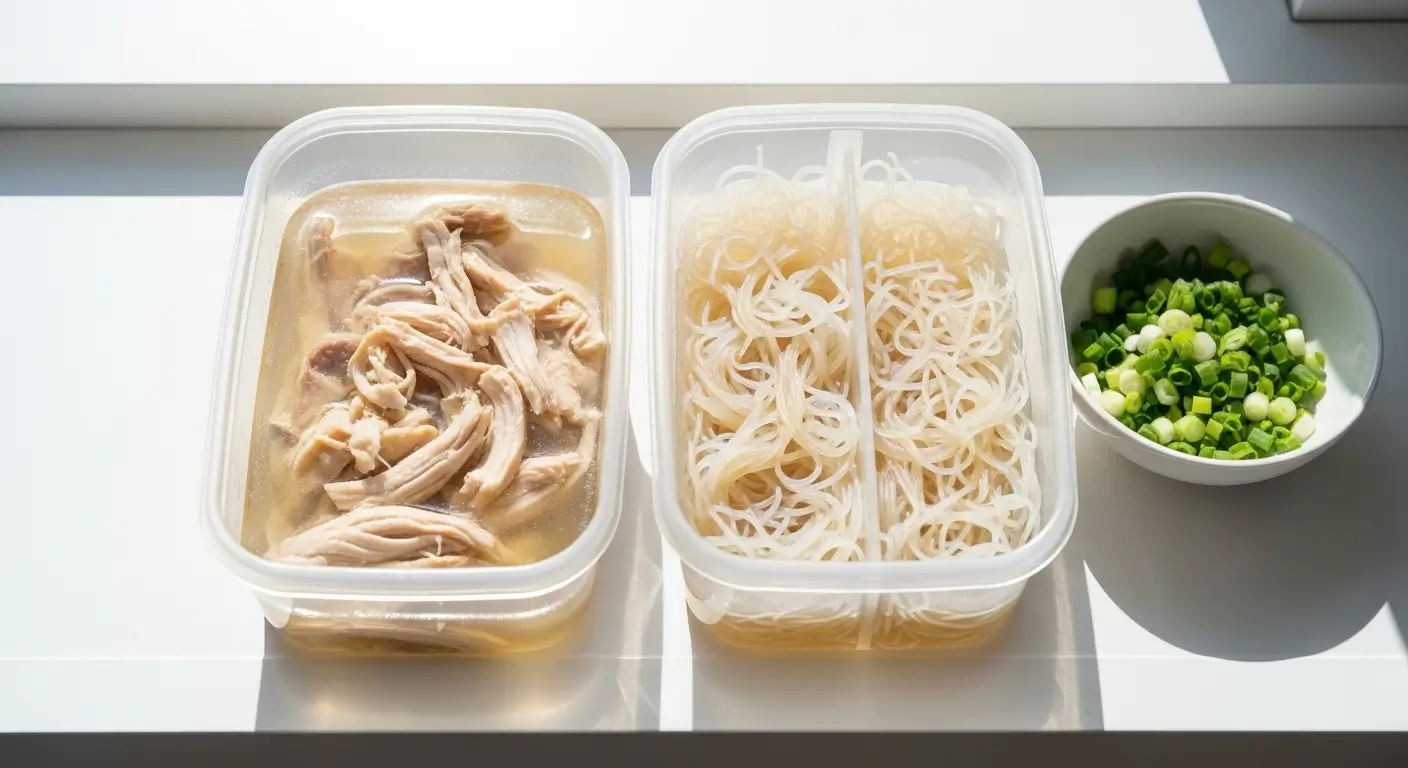
In case you intend to cook this within a few days, you should treat the noodles as an individual part.
Best make-ahead approach
- Make broth + chicken
- Combine broth and chicken in the store
- Keep soaked (drained) noodles in different places
- Put together at the time of serving by heating noodles in hot stock 1–2 minutes
Storage guidance
- Refrigerate chicken / broth in airtight containers
- Eat in a couple of days (normally cooked poultry storage)
- To freeze, freeze broth + chicken only; add noodles fresh afterwards
Reheating
- Add broth + chicken to a low boil
- Add noodles for 1–2 minutes
- Finish with green onions
Variations People Search For
These variations are similar to searches that people normally use such as how do I, without losing the identity of the dish.
Also Read: Sausage Potato Leek Dijon Mustard Hash Recipe 2026
Instant Pot chicken long rice
- Add ginger/garlic and water/broth to pressure cook chicken
- Chopped chicken, add soy sauce
- Saute with sauté mode with noodles that have been soaked
Why it is a winner: tender chicken in a hurry and less baby sitting.
Be careful of: transparency of broth — strain, should you wish it to be especially clean.
Slow cooker chicken long rice
- Put chicken + ginger + garlic into low heat until tender
- Grate, season and then pour in soaked noodles just before serving
Rotisserie chicken long rice (fastest weeknight version)
- Broil ginger and garlic 10–15 min
- Add rotisserie chicken which has been shredded
- Add soaked noodles briefly
- Serving with green onions and shoyu
Chicken long rice with bok choy
Put in bok choy at the end of the 2–3 minutes or so to keep it bright and to a small degree crisp.
Comparison Table: Noodles and Substitutions
In case you can not locate glass noodles, then this assists you in selecting the best alternative.
| Option | Best for | Texture | Risk | How to use it |
|---|---|---|---|---|
| Glass noodles (bean thread/cellophane/fensi) | Classic chicken long rice | Clear, silky | Mushy when overcooked | Soak, then heat 1–3 min |
| Rice vermicelli | Ready substitute, easy-to-find | Less slippery, less soft | Break/over-soften | Add near end briefly |
| Thin wheat noodles | Fallback pantry | Chewier | Alters identity | Add later, cook separately |
| Shirataki noodles | Low-cal choice | Springy | Rinse, flavor variety required | Rinse, warm briefly |
What to Serve With Chicken Long Rice
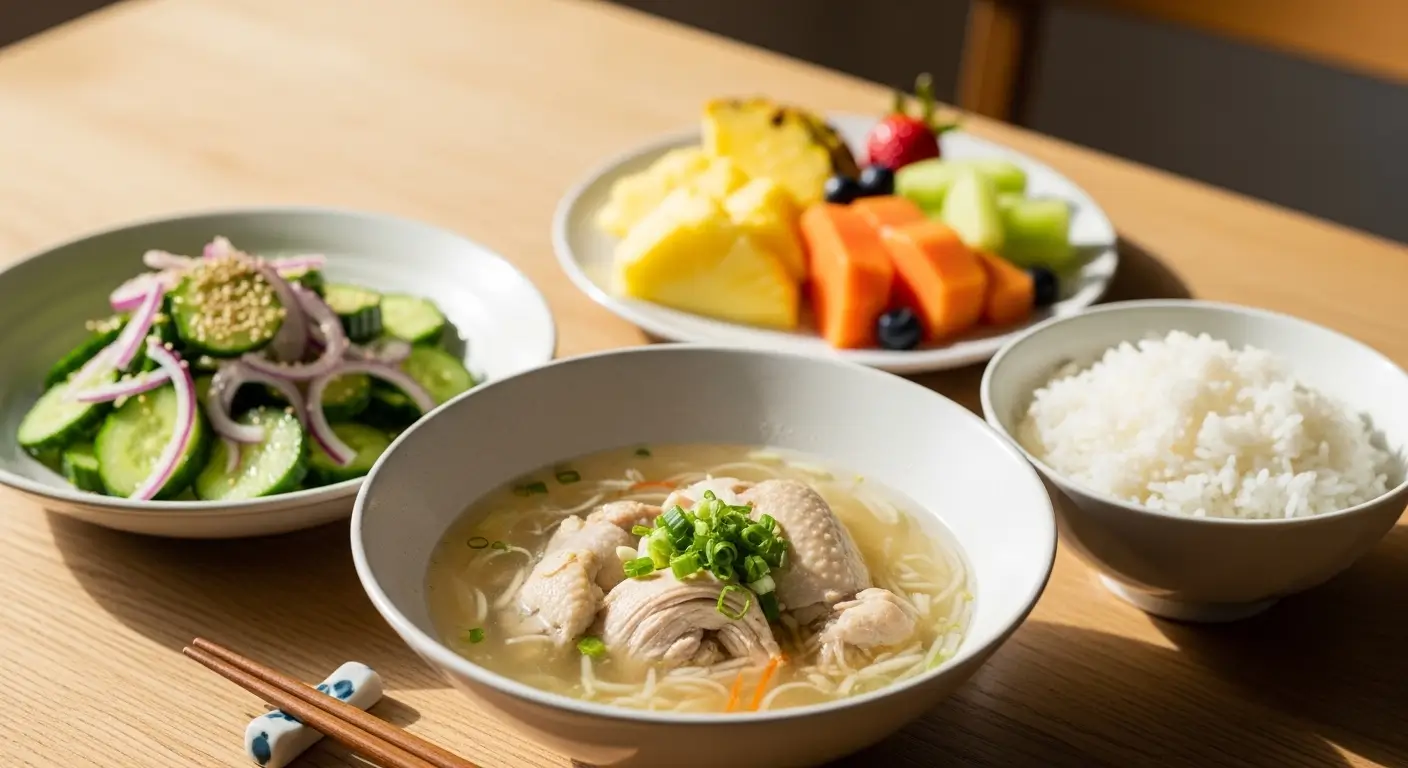
It is served at a potlatch or luau like spread with plain sides.
Easy pairings:
- Rice (steamed, in case you want it more hearty)
- Light cucumber salad
- Sautéed greens
- Fresh fruit or a simple gathering table dessert
Also Read: Amish Apple Cake Recipe: Easy Apple Cake Dessert 2026
FAQs
Is chicken long rice Hawaiian or Chinese?
It is a local Hawaiian dish that is heavily inspired by the Chinese immigrant foodways, particularly, the use of glass/bean thread noodles and ginger-dominant broth.
Why is it called “long rice” if it isn’t rice?
Long rice is a common name in Hawaiʻi, which refers to the long, clear noodles of the dish, which are often glass noodles, not rice grains.
What noodles are used for chicken long rice?
Most typical: glass noodles, bean thread noodles, cellophane noodles, mung bean vermicelli or fensi — the same product usually sold under various names.
Do you soak bean thread noodles or boil them?
Pre-soak, drain then quickly warm in broth. The quickest method of obtaining mushy noodles is by boiling them too long in the pot.
How do you keep glass noodles from getting mushy?
Only add them at the very end and take the time at 1–3 minutes and serve immediately to conserve time and to store the noodles separately in the case of leftovers.
Can I use chicken breast instead of thighs?
Yes. Breast is drier in nature but dries up easier and thus cook it slowly and pull it off as soon as it is cooked and then shred it back at the end.
Is long rice gluten-free?
A large portion of glass noodles is inherently gluten-free since it is made of starch, though, it is always worthwhile to check the packaging label to identify the ingredients and cross contamination warnings.
Can you freeze chicken long rice?
It is best to freeze the broth and chicken. Add fresh noodles after thawing as noodles may become soft and disintegrate after freezing.
Conclusion
Comfort food in its purest form: a clear savory broth, with ginger and garlic and shredded chicken and smooth glass noodles known as long rice. Maintain the simmer, steep the noodles, and heat them a little in the end — all three actions produce the Hawaiian texture of the dish every time, whether you are preparing a bowl of noodles on a weeknight or a potlatch table.