

Arabic Breakfast Food Recipes That Feel Authentic and Practical
An Arabic breakfast consists of warm bread, eggs or beans, dairy, olive oil, herbs and fresh vegetables that are spread together instead of being served on a heavy plate. It is what makes it easy to adjust at home and comforting.
The popularity of Arabic breakfast food recipes is due to their savory, nutritious and adaptable nature. You can prepare a simple weekday dish consisting of labneh and olives or a complete brunch table consisting of shakshuka, ful medames, manakish and mint tea. This type of breakfast is a solution to a universal issue of many home cooks: it is a special breakfast that does not need rare ingredients or complex methods to prepare.
It is also beneficial to be specific with the language. Arabic breakfast and Middle Eastern breakfast are often the same though not all the time. Arabic breakfast commonly describes the foods and breakfast customs relating to Arab cuisines in the Levant, Egypt, the Gulf and in some areas of North Africa. The regional background is important, particularly when you wish to have your breakfast more genuine and less mainstream.
What Is a Typical Arabic Breakfast?
A typical Arabic breakfast is typically constructed out of a handful of basic elements:
- Bread pita, khubz, baladi bread or flatbread
- A main that is high in proteins such as eggs, ful medames or falafel
- Dairy e.g. labneh, yogurt cheese, halloumi or white cheese
- New sides such as tomatoes, cucumbers, mint, olives and pickles
- Flavor additives such as olive oil, za’atar, tahini, sumac and lemon
- Mint tea or Arabic coffee
The secret of this type of breakfast is the balance. You have creamy, fresh, warm, salty and herb-dominant flavors in a single meal. It can also be customized naturally, that is why it is appropriate with families, brunch hosts, and beginners.
Also Read: Vodka Drink Recipes with Cranberry: Easy, Fruity Cocktails
Why Arabic Breakfast Works So Well
Arabic breakfast is not only popular because of taste.
It is:
- Hearty: beans, eggs, yogurt, and bread have got your belly full
- Flexible: available to make one dish or a full breakfast tray
- Affordable: most of the staples are cheap pantry foods
- Friendly to vegetarians: a large number of traditional dishes do not involve meat
- Guest friendly: it is shared serving making it ideal in brunch
That is why it is also effective in the world. Although you do not live in a specialty market, you may create a great Arabic breakfast spread with eggs, yogurt, olive oil, herbs, bread, and simple vegetables.
Core Ingredients That Define the Flavor
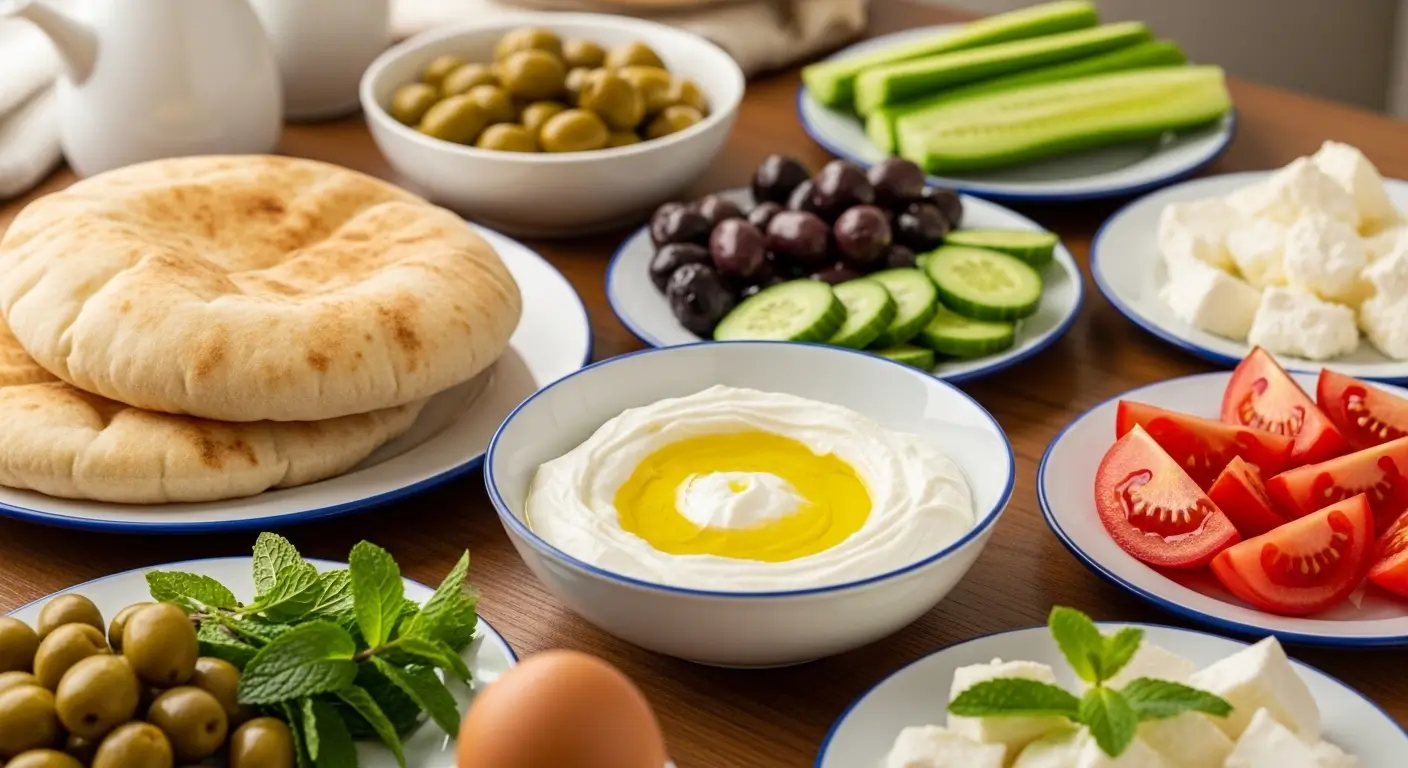
Most of the best Arabic breakfast food follow the same ingredient combination: food, bread, olive oil, herbs, fresh vegetables and serving together.
| Ingredient | Common Use |
|---|---|
| Fava beans | Ful medames |
| Eggs | Shakshuka, omelets |
| Labneh | Breakfast plate |
| Za’atar | Bread topping |
| Tahini | Sauce, drizzle |
| Olive oil | Finish, flavor |
| Halloumi | Fried cheese |
| Tomatoes | Sauces, sides |
When shopping beyond Arabs predominated areas, the easiest places to start would be the following:
- Greek yogurt in place of labneh
- Pita instead of baladi bread
- Prepared fava beans in cans
- Feta or hard salty cheese in case of the absence of halloumi
- Thyme, sesame and sumac are mixed in case you cannot find ready-made za’atar
Best Arabic Breakfast Food Recipes to Start With
Shakshuka
Shakshuka is among the best known breakfast dishes in the Arabic cuisine. It is prepared by poaching eggs in a spicy tomato and pepper sauce.
Best when: it is the first date, or a Sunday brunch, or a family dinner.
How to make it:
- Add olive oil to cook the onion and bell pepper until soft.
- Add garlic, cumin, paprika and chili in case you like spicy stuff.
- Add chopped or crushed tomatoes and cook until thick.
- Get little holes and open the eggs.
- Bake and braise until the whites are firm.
- Garnish with parsley and bread that is warm.
Why it is a good idea: It is simple, one-pot, and very delicious. It also addresses the question which people often ask, “What is the easiest Arabic breakfast dish?” This is the simplest dish to cook to many.
Also Read: Purple Rain Drink Recipe: Easy, Fruity Party Cocktail 2026
Ful Medames
Ful medames or foul mudammas is a traditional Egyptian breakfast containing fava beans that have been cooked and seasoned.
Good to: the most substantial traditional, low budget cooking, meal prep.
How to make it:
- Cooked or tinned warm fava beans.
- Mash lightly with a fork.
- Add garlic, lemon juice, cumin and salt.
- Flood with extra virgin oil.
- Garnish with parsley, tomato or onion.
There is a difference between ful and hummus. Hummus is a tahini-based dip of chickpea. Ful is a more earthy and warmer bean confection that is made with fava beans and is often eaten more of a main breakfast meal.
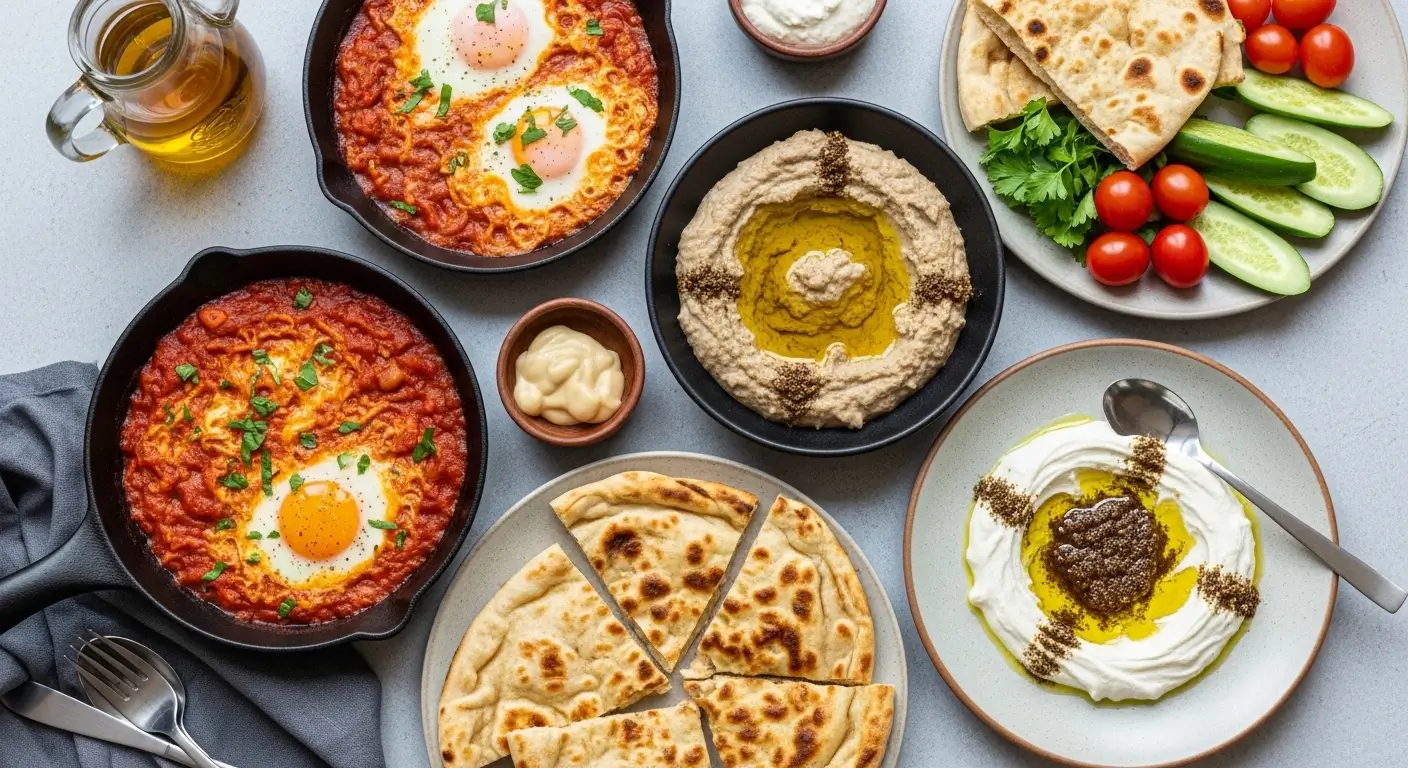
Labneh Breakfast Plate
One of the quickest and the most convenient Arabic breakfast concepts is a labneh breakfast plate.
Good to use: in the morning, when it is hot outside, no-cook dishes.
Put thick labneh on a plate, make a shallow well and on top of it:
- Olive oil
- Za’atar
- Olives
- Cucumber
- Tomato
- Mint
It should be served with pita or flatbread. When you have ever asked yourself what to serve with labneh, you need to look no further, warm bread, fresh vegetables, olives and drizzle of good olive oil is what you need.
Manakish
Manakish, (also known as manakeesh or manaqeesh) is a Levantine flatbread that is usually served with za’atar and olive oil on it.
Best: bakery breakfast, brunch, take-out morning meals.
Basic method:
- Roll out flatbread dough.
- Combine za’atar and olive oil to a spread.
- Apply it on the dough with brush or spread it.
- Bake till brown and crunchy.
Cheese manakish may as well be prepared with white cheese or with akkawi-style cheese. The dish is particularly popular in Lebanese, Syrian, Jordanian and Palestinian breakfast cultures.
Also Read: Pistachio Martini Drink Recipe: Creamy, Nutty Cocktail 2026
Fatteh
Toast bread, yogurt, chickpeas and toppings in layers and place them in one hearty yet well balanced dish.
Best: brunch hosting, lovers of texture, leftover bread.
The typical ingredients of a simple breakfast fatteh are:
- Toasted bread at the bottom
- Warm topping, chickpeas or otherwise
- Garlicky yogurt or labneh
- Melted butter or olive oil
- Nuts and parsley on top
It provides you with crunchiness, cream, warmth and richness in a single dish.
Halloumi and Eggs
One of the simplest recipes of savory Arabic breakfast is halloumi and eggs, which is suitable during the hectic mornings.
Fry slices of halloumi until golden and eggs with it. Accompanied by tomatoes, cucumber, olives and flat bread. It is rich and delicious and does not require much time.
Falafel
Falafel is usually linked to lunch time, however, it also is very nice to eat it in the morning in most of the households.
Best when: making ahead, making breakfast sandwiches, serving a crowd.
Serve falafel with:
- Pita
- Tahini
- Pickles
- Tomatoes
- Herbs
It is also among the most delicious vegetarian Arabic breakfast meals that you would like to have when you need something more substantial.
Also Read: Margarita Drink Recipe Pitcher: Easy Party-Size Margarita
Regional Breakfast Variations Across the Arab World
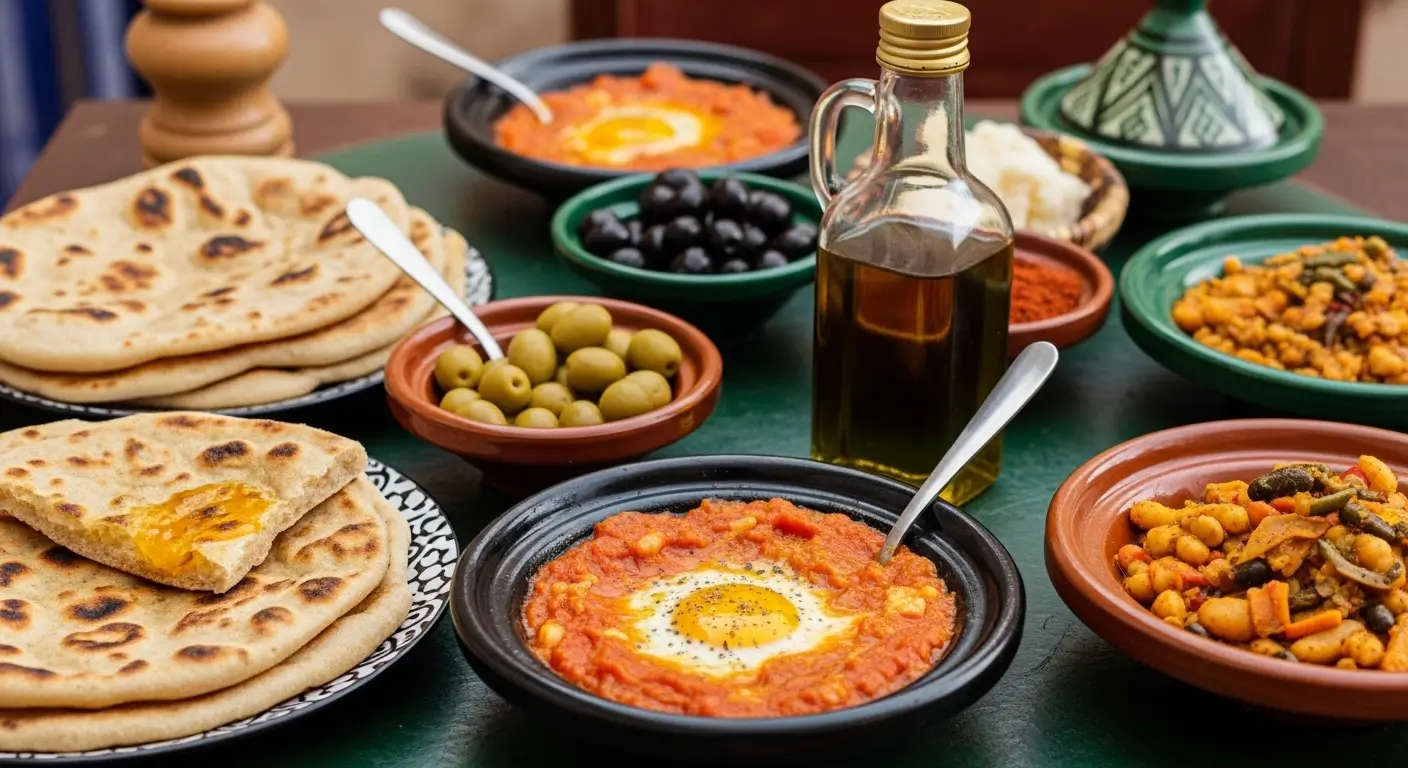
This is one of the reasons why this topic is misunderstood because the Arabic breakfast is not a single menu. It varies according to countries and regions.
Levantine Breakfast
In Lebanon, Syria, Jordan and Palestine breakfast is usually based on:
- Labneh
- Manakish
- Halloumi
- Olives
- Za’atar
- Fatteh
- Fresh vegetables
It is a herb-based, bread-based style that would best suit a mezze-like breakfast platter.
Egyptian Breakfast
Egyptian breakfast is closely linked with:
- Ful medames
- Ta’ameya-style falafel
- Eggs
- Pickles
- Baladi bread
When you are in need of the most conventional high-protein dish, then it is usually a good idea to begin with Egyptian breakfast dishes.
Gulf Breakfast
Breakfast in the Gulf region, including the UAE, Oman and Bahrain may consist of savory and sweet selections, including:
- Balaleet
- Khabees
- Masoub
- Eggs
- Bread
- Dates
- Tea
This is where the Arabic breakfast is expanded and not limited to the shakshuka-and-labneh picture many readers are used to.
Also Read: Chocolate Crown Royal Drink Recipes: Rich, Smooth Cocktails
North African and Maghreb Influence
The styles of Arabic breakfast in North Africa tend to import:
- Flatbreads
- Olive oil
- Egg dishes
- Tomato-based flavors
- Bean-based foods
- Strong spice accents
This is the reason why regional labeling is important. It provides the reader with a more precise image and allows one to select the version that suits their taste.
Less Common Dishes That Add Depth
You cannot begin and end with the most famous names, do not think you are thoroughly informed and globally conscious.
You can also explore:
- Balaleet: sweet-savory vermicelli and egg are a typical part of the gulf breakfast culture
- Masoub: a Yemeni breakfast is constructed using bread, banana, cream, and sweetness
- Ijeh: egg dishes that are made with herbs which are also prevalent in regional dishes
- Mfarakeh: a dish of potato-and-egg that is a part of the Levantine cuisine
- Khabees: a sweet dish that appears in some of the Gulf breakfast scenarios
They are not necessarily the initial meals that searchers look forward to, but they do give an actual flair and contribute to a more developed breakfast story.
How to Build a Full Arabic Breakfast Spread
When you are in the mood to have a genuine Arabic breakfast sandwich, employ this barebone:
1. Choose the Base
- Pita
- Khubz
- Baladi bread
- Flatbread
- Manakish
2. Add a Main Protein
- Shakshuka
- Ful medames
- Falafel
- Halloumi and eggs
3. Add a Creamy Element
- Labneh
- Yogurt cheese
- White cheese
- Hummus
4. Add Fresh Sides
- Tomatoes
- Cucumbers
- Mint
- Olives
- Pickles
5. Finish With Flavor
- Olive oil
- Za’atar
- Sumac
- Tahini
- Lemon juice
6. Add a Drink
- Mint tea
- Arabic coffee
The simplest form of this is the base + protein + dip + vegetables + drink format that allows transforming a few dishes into an actual breakfast instead of a haphazard group of sides.
Also Read: Apple Cider Vinegar Drink Recipe: Easy Daily Tonic
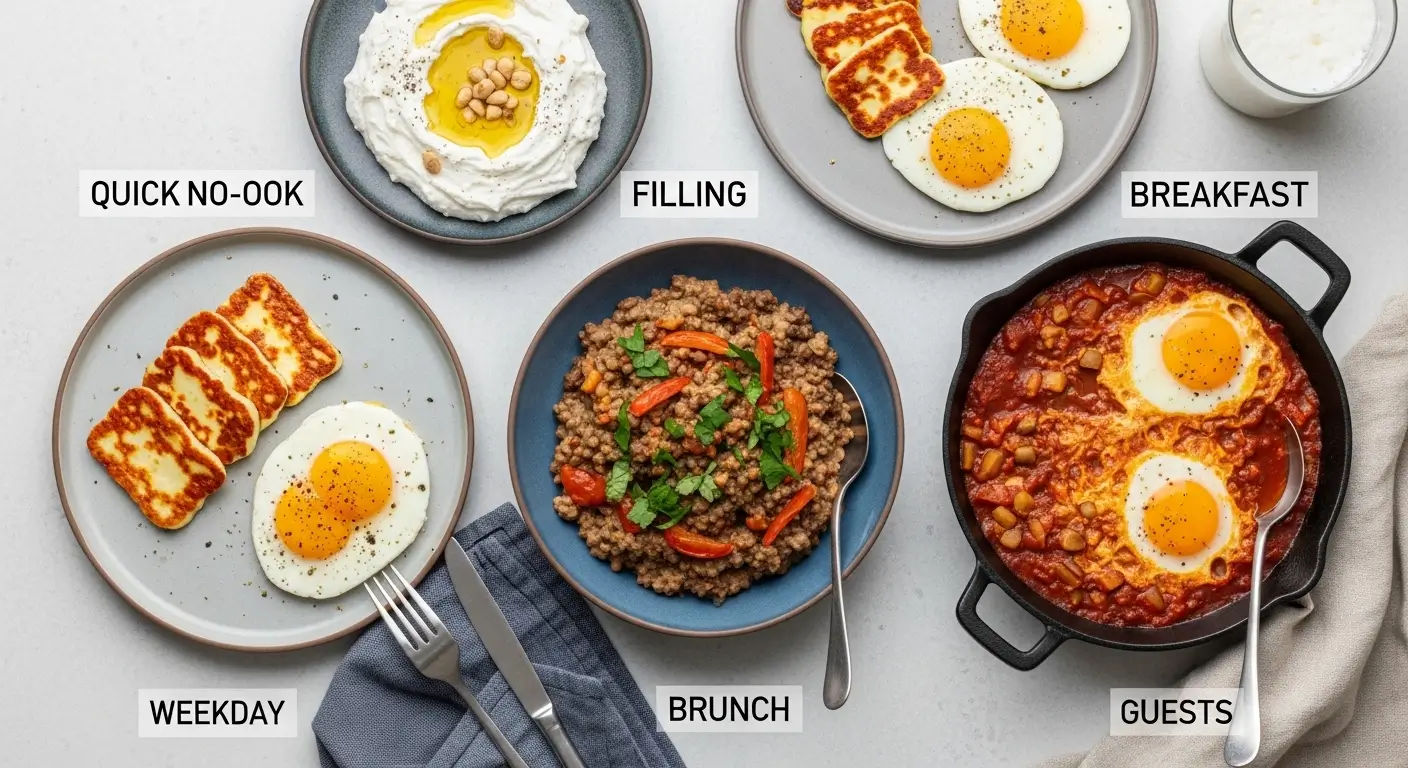
How to Choose the Right Dish for Your Needs
For a Weekday Under 15 Minutes
Choose:
- Labneh plate
- Halloumi and eggs
- Simple herb omelet
- Souffle in 5 minutes using tinned tomatoes
For the Most Filling Breakfast
Choose:
- Ful medames
- Falafel
- Fatteh
For Guests or Brunch
Choose:
- Shakshuka
- Manakish
- Labneh platter
- Mint tea and Arabic coffee
For Beginners
Choose:
- Shakshuka
- Labneh breakfast plate
- Halloumi and eggs
For Vegetarian Cooking
Choose:
- Ful medames
- Shakshuka
- Labneh
- Manakish with za’atar
- Falafel
- Fatteh
Common Mistakes to Avoid
Most of the Arabic recipes of breakfast are easy, yet a few errors can turn them to be disastrous.
- Eating cold bread: warm bread alters all the things
- Adding insufficient olive oil: it is not only decoration, but also a part of the flavor
- Omitting acid: lemon and fresh tomato aid in balancing the richness
- Overcooking eggs: in particular in shakshuka
- Disregard of freshness: mint, parsley, cucumbers, and tomatoes make the meal vivacious
- Levelling regional differences: not all Arab breakfast is the same
It will also be useful to identify allergens when serving others. The most common ones can be dairy, sesame, eggs, and gluten.
Also Read: Vanilla Bean Paste Recipe: Easy Homemade Vanilla Paste
Practical Substitutions for Global Kitchens
Ingredients may not be available everywhere in the US, UK, Europe, or any other non-Arab countries. The positive thing is that most recipes of the Arabic breakfast food can still be modified.
| Traditional | Easy Swap |
|---|---|
| Labneh | Greek yogurt |
| Baladi bread | Pita |
| Halloumi | Feta or grilling cheese |
| Fava beans | Canned beans |
| Za’atar | Thyme-sesame mix |
These swaps will not substitute all the regional details, however, they allow the recipes to be available without losing the essence of the meal.
Make-Ahead Tips for Easier Mornings
Arabic breakfast may be quick as long as you prepare the appropriate components.
- Pre-prepared cooked medames are reheated and served
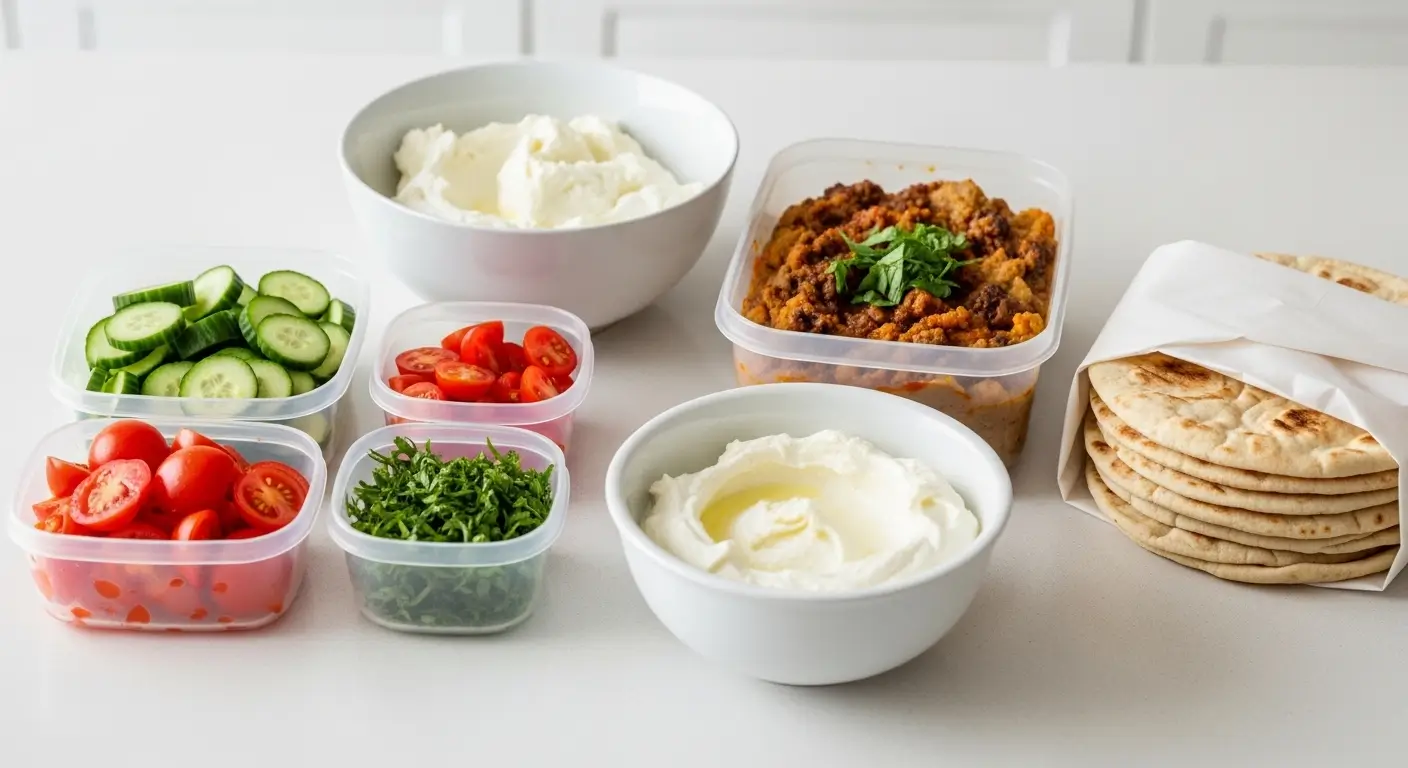
- Chop cucumbers, tomatoes and herbs the previous evening
- Prepare labneh, olives and bread so that you can assemble fast
- Prepare falafel blend in advance and fry new
- Preheat more manakish and heat it up
This would be particularly useful in case you are going to prepare healthy arab breakfast ideas and you do not want to eat the same breakfast day-in day-out.
Also Read: Anti Inflammatory Juice Recipes: Easy Drinks for Daily Wellness
FAQs
What Is a Typical Arabic Breakfast?
An average Arabic breakfast consists of bread, eggs or beans, dairy, e.g., labneh or cheese, olive oil, herbs, and fresh vegetables, e.g., tomatoes and cucumbers.
Is Arabic Breakfast Usually Savory?
This is true, since most Arabic breakfast foods are savory. Sweet or sweet-savory foods such as balaleet or khabees are also some of the traditions of the Gulf breakfast.
What Are the Most Popular Arabic Breakfast Dishes?
The most famous and popular ones are shakshuka, ful medames, labneh, manakish, falafel, and halloumi with eggs.
Is Shakshuka Arabic?
Shakshuka is a dish that is consumed all over the Arabic speaking world, but it is strongly linked with the North African cuisine and the Arab breakfast in general, although it can also be found in the surrounding cuisines.
What Is the Easiest Arabic Breakfast to Make?
The simplest meal is a breakfast plate of labneh since it does not involve any actual cooking. The simplest hot dish is usually Shakshuka.
Which Arabic Breakfast Dishes Are Vegetarian?
Shakshuka, ful medames, labneh, za’atar manakish, falafel and most varieties of fatteh are vegetarian.
What Bread Is Used in Arabic Breakfast?
Common are pita, khubz, baladi bread, taboon-style breads and flatbreads. Manakish is served as a bread and main dish, as well.
What Drink Goes With Arabic Breakfast?
Classic ones are mint tea and Arabic coffee. Tea is normally an excellent match to a bigger breakfast table whereas coffee is an excellent match to a lighter breakfast table.
Can I Prepare Arabic Breakfast in Advance?
Yes. Plates of ful medames, falafel mix, chopped vegetables and labneh can all be prepped in part.
Which Arabic Breakfast Is Best for Guests?
One of the best options in terms of brunch or guests is a mixed breakfast plate consisting of shakshuka, manakish, labneh, olives, vegetables, and tea.
Conclusion
The reason behind the popularity of Arabic recipes of breakfast food is that they offer a combination of comfort, taste, and versatility unlike many breakfast traditions. They may be as basic as labneh, olives and warm pita, or lavish as a full breakfast with shakshuka, ful medames, manakish, fatteh and tea.
When you are new to this type of cooking, then just have one simple dish and go on with it. Shakshuka is the most suitable hot entry, ful medames is the most satisfying classic, and a plate of labneh breakfast is the quickest way to make your table experience the touch of an authentic Arabic breakfast. After learning how to deal with bread, protein, dairy, herbs and fresh vegetables rhythm, you will be able to combine and change dishes of the Levant, Egypt, the Gulf and North Africa without any problem.
Leave a Reply